













Siga-nos no Instagram
Mais do que uma empresa de actividades ao ar livre.

@sawyerproducts
Follow us on Instagram












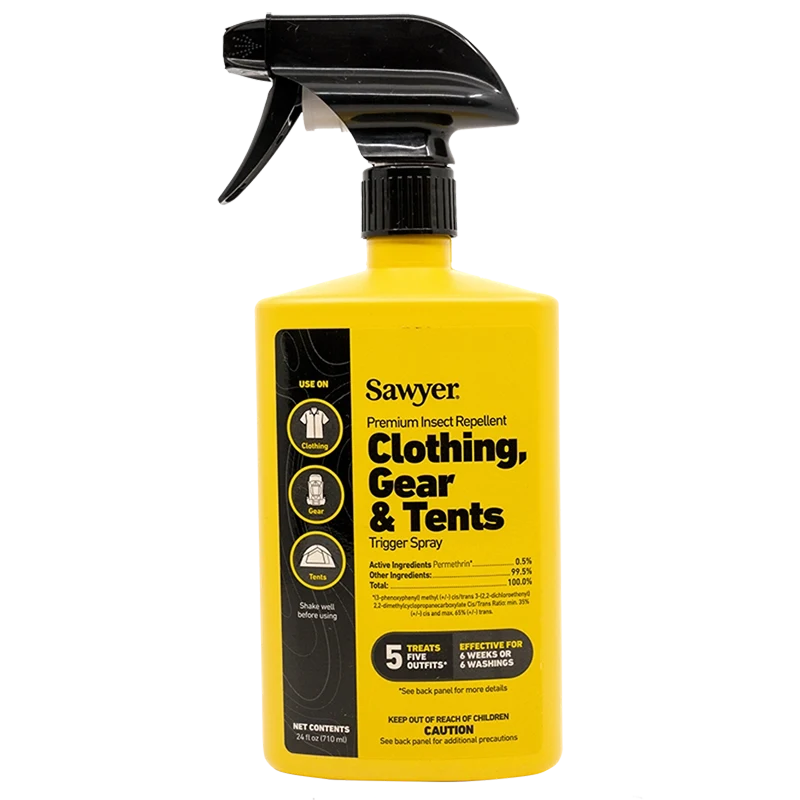
You’re deep in the woods on a crisp spring morning, heart pounding as a gobbler sounds off in the distance, everything about the hunt feels perfect… until the buzzing starts. Mosquitoes swarm your face net, and later that evening, you discover a tick latched behind your knee. It’s a frustrating and all-too-common reality for hunters who overlook insect and tick prevention. Staying safe in the field goes beyond camouflage and calling. Diseases like Lyme and Rocky Mountain spotted fever are real threats, and itchy distractions can ruin an otherwise ideal hunt. Let’s break down essential “hunt friendly” insect repellent products like Thermacell, Sawyer’s Permethrin, and the Tick Mitt, along with key health concerns every hunter should be aware of; because when it comes to time outdoors, prevention is part of preparation.
Why Insect & Tick Prevention Matters
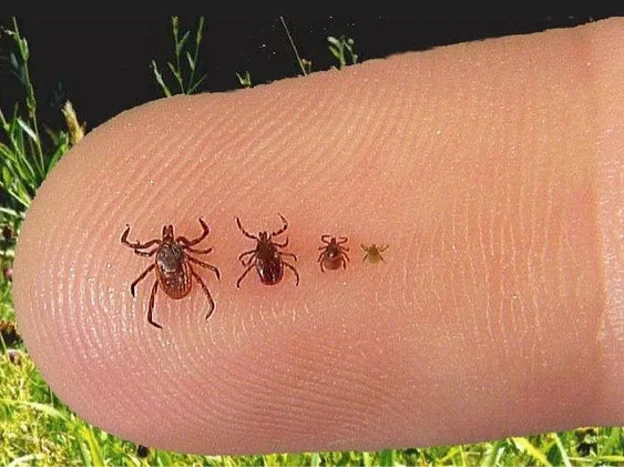
The outdoors offers plenty of rewards, but it also comes with risks, especially from mosquitoes, ticks, and biting flies. These tiny pests aren’t just a nuisance; they can carry serious health threats that impact hunters long after they’ve left the field. Ticks, in particular, are known carriers of Lyme disease, which can cause chronic fatigue and joint pain if left untreated, as well as Rocky Mountain Spotted Fever, a potentially fatal illness if not caught early. One emerging concern in the hunting community is Alpha-Gal Syndrome, a tick-borne allergy to red meat that’s linked to Lone Star tick bites, an especially troubling diagnosis for those who live off the land. The truth is, once you’ve been bitten, the clock starts ticking. That’s why prevention is far more effective than dealing with these issues after the fact. A few extra steps before your hunt can mean a safer, more enjoyable experience outdoors.
Continue reading to learn more, written by Bethany Beathard.


You’re deep in the woods on a crisp spring morning, heart pounding as a gobbler sounds off in the distance, everything about the hunt feels perfect… until the buzzing starts. Mosquitoes swarm your face net, and later that evening, you discover a tick latched behind your knee. It’s a frustrating and all-too-common reality for hunters who overlook insect and tick prevention. Staying safe in the field goes beyond camouflage and calling. Diseases like Lyme and Rocky Mountain spotted fever are real threats, and itchy distractions can ruin an otherwise ideal hunt. Let’s break down essential “hunt friendly” insect repellent products like Thermacell, Sawyer’s Permethrin, and the Tick Mitt, along with key health concerns every hunter should be aware of; because when it comes to time outdoors, prevention is part of preparation.
Why Insect & Tick Prevention Matters
The outdoors offers plenty of rewards, but it also comes with risks, especially from mosquitoes, ticks, and biting flies. These tiny pests aren’t just a nuisance; they can carry serious health threats that impact hunters long after they’ve left the field. Ticks, in particular, are known carriers of Lyme disease, which can cause chronic fatigue and joint pain if left untreated, as well as Rocky Mountain Spotted Fever, a potentially fatal illness if not caught early. One emerging concern in the hunting community is Alpha-Gal Syndrome, a tick-borne allergy to red meat that’s linked to Lone Star tick bites, an especially troubling diagnosis for those who live off the land. The truth is, once you’ve been bitten, the clock starts ticking. That’s why prevention is far more effective than dealing with these issues after the fact. A few extra steps before your hunt can mean a safer, more enjoyable experience outdoors.
Continue reading to learn more, written by Bethany Beathard.
You’re deep in the woods on a crisp spring morning, heart pounding as a gobbler sounds off in the distance, everything about the hunt feels perfect… until the buzzing starts. Mosquitoes swarm your face net, and later that evening, you discover a tick latched behind your knee. It’s a frustrating and all-too-common reality for hunters who overlook insect and tick prevention. Staying safe in the field goes beyond camouflage and calling. Diseases like Lyme and Rocky Mountain spotted fever are real threats, and itchy distractions can ruin an otherwise ideal hunt. Let’s break down essential “hunt friendly” insect repellent products like Thermacell, Sawyer’s Permethrin, and the Tick Mitt, along with key health concerns every hunter should be aware of; because when it comes to time outdoors, prevention is part of preparation.
Why Insect & Tick Prevention Matters
The outdoors offers plenty of rewards, but it also comes with risks, especially from mosquitoes, ticks, and biting flies. These tiny pests aren’t just a nuisance; they can carry serious health threats that impact hunters long after they’ve left the field. Ticks, in particular, are known carriers of Lyme disease, which can cause chronic fatigue and joint pain if left untreated, as well as Rocky Mountain Spotted Fever, a potentially fatal illness if not caught early. One emerging concern in the hunting community is Alpha-Gal Syndrome, a tick-borne allergy to red meat that’s linked to Lone Star tick bites, an especially troubling diagnosis for those who live off the land. The truth is, once you’ve been bitten, the clock starts ticking. That’s why prevention is far more effective than dealing with these issues after the fact. A few extra steps before your hunt can mean a safer, more enjoyable experience outdoors.
Continue reading to learn more, written by Bethany Beathard.
Mais do que uma empresa de actividades ao ar livre.

