

International Header

The Guardian: Cloth Wraps Treated With ‘Dirt Cheap’ Insecticide Cut Malaria Cases In Babies

Soaking fabrics in a commonly used insect repellent is a simple and effective tool as mosquito bites become more common during daytime, study shows.

The Guardian: Cloth Wraps Treated With ‘Dirt Cheap’ Insecticide Cut Malaria Cases In Babies

Last updated:
January 21, 2026
|  5 min read

The Guardian: Cloth Wraps Treated With ‘Dirt Cheap’ Insecticide Cut Malaria Cases In Babies

The Guardian: Cloth Wraps Treated With ‘Dirt Cheap’ Insecticide Cut Malaria Cases In Babies

YouTube video highlight

Soaking fabrics in a commonly used insect repellent is a simple and effective tool as mosquito bites become more common during daytime, study shows.

Read more about the project

The Guardian: Cloth Wraps Treated With ‘Dirt Cheap’ Insecticide Cut Malaria Cases In Babies

Nenhum item encontrado.

Cloth Wraps Treated With ‘Dirt Cheap’ Insecticide Cut Malaria Cases In Babies

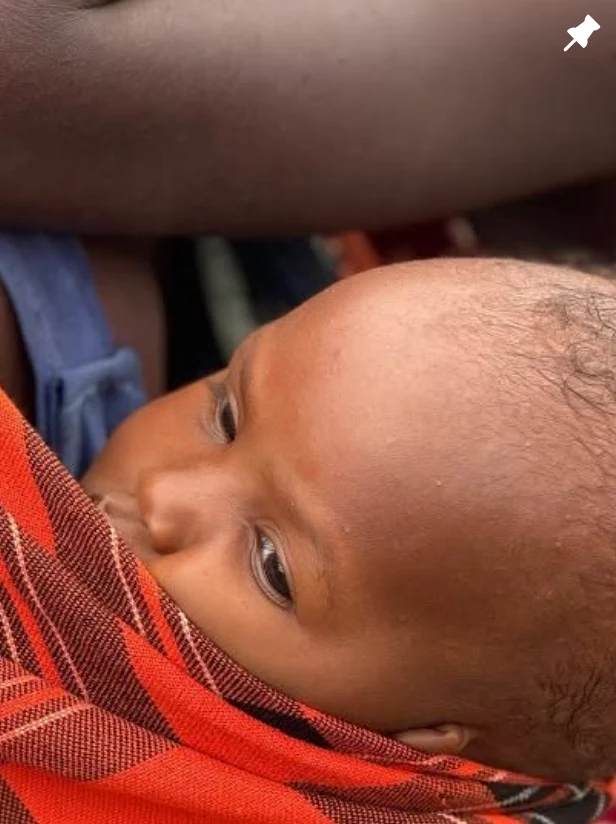
From Africa to Latin America to Asia, babies have been carried in cloth wraps on their mothers’ backs for centuries. Now, the practice of generations of women could become a lifesaving tool in the fight against malaria.

Researchers in Uganda have found that treating wraps with the insect repellent permethrin cut rates of malaria in the infants carried in them by two-thirds.

Malaria kills more than 600,000 people a year, most of whom are children in Africa under five years old.

Continue reading to learn more about how permethrin is used to cut malaria cases in babies, written by Kat Lay.

The Guardian: Cloth Wraps Treated With ‘Dirt Cheap’ Insecticide Cut Malaria Cases In Babies

Cloth Wraps Treated With ‘Dirt Cheap’ Insecticide Cut Malaria Cases In Babies

From Africa to Latin America to Asia, babies have been carried in cloth wraps on their mothers’ backs for centuries. Now, the practice of generations of women could become a lifesaving tool in the fight against malaria.

Researchers in Uganda have found that treating wraps with the insect repellent permethrin cut rates of malaria in the infants carried in them by two-thirds.

Malaria kills more than 600,000 people a year, most of whom are children in Africa under five years old.

Continue reading to learn more about how permethrin is used to cut malaria cases in babies, written by Kat Lay.

Miniatura da fotografia Autor do blogue
Global Health Correspondent
Kat Lay
Kat Lay is the Guardian's global health correspondent.
Menções nos meios de comunicação social

The Guardian: Cloth Wraps Treated With ‘Dirt Cheap’ Insecticide Cut Malaria Cases In Babies

Cloth Wraps Treated With ‘Dirt Cheap’ Insecticide Cut Malaria Cases In Babies

From Africa to Latin America to Asia, babies have been carried in cloth wraps on their mothers’ backs for centuries. Now, the practice of generations of women could become a lifesaving tool in the fight against malaria.

Researchers in Uganda have found that treating wraps with the insect repellent permethrin cut rates of malaria in the infants carried in them by two-thirds.

Malaria kills more than 600,000 people a year, most of whom are children in Africa under five years old.

Continue reading to learn more about how permethrin is used to cut malaria cases in babies, written by Kat Lay.

Miniatura da fotografia Autor do blogue
Global Health Correspondent
Kat Lay
Kat Lay is the Guardian's global health correspondent.
Menções nos meios de comunicação social
browse all articles
Aqui na Sawyer
Treeline Review: PCT Southbound Gear List & Strategy 2026
Read More

Menções nos meios de comunicação social

43.2% of hikers used the Sawyer Squeeze, the most common hollow membrane squeeze filter (and the most common water treatment overall).

Mac
Escritor colaborador

Menções nos meios de comunicação social

Randy Patton’s late father, Biff Patton, launched the water filter program in 2010.

Conner Beene
Escritor

Menções nos meios de comunicação social

The most significant being its positive impact on our health after using it, its capacity to reduce our expenses on water treatment and access to safe water, and the time it saves by eliminating the need for boiling or treating water.

Teburenga Geraldine Tabwebweiti
Communications and Engagement
<<  Previous Post
No previous post!
Check out our Directory
Next Post  >>
No next post!
Check out our Directory