



%20copy.webp)



Siga-nos no Instagram
Mais do que uma empresa de actividades ao ar livre.

@sawyerproducts
Follow us on Instagram



The Baja Sierra Trail will be her legacy. And this hike is how it begins.
Watch videoZelzin Aketzalli- Mexico’s first Triple Crown thru-hiker and long-time Sawyer Ambassador- is in the midst of attempting her most daring feat yet: mapping the country’s first national long-distance trail, entirely on foot.
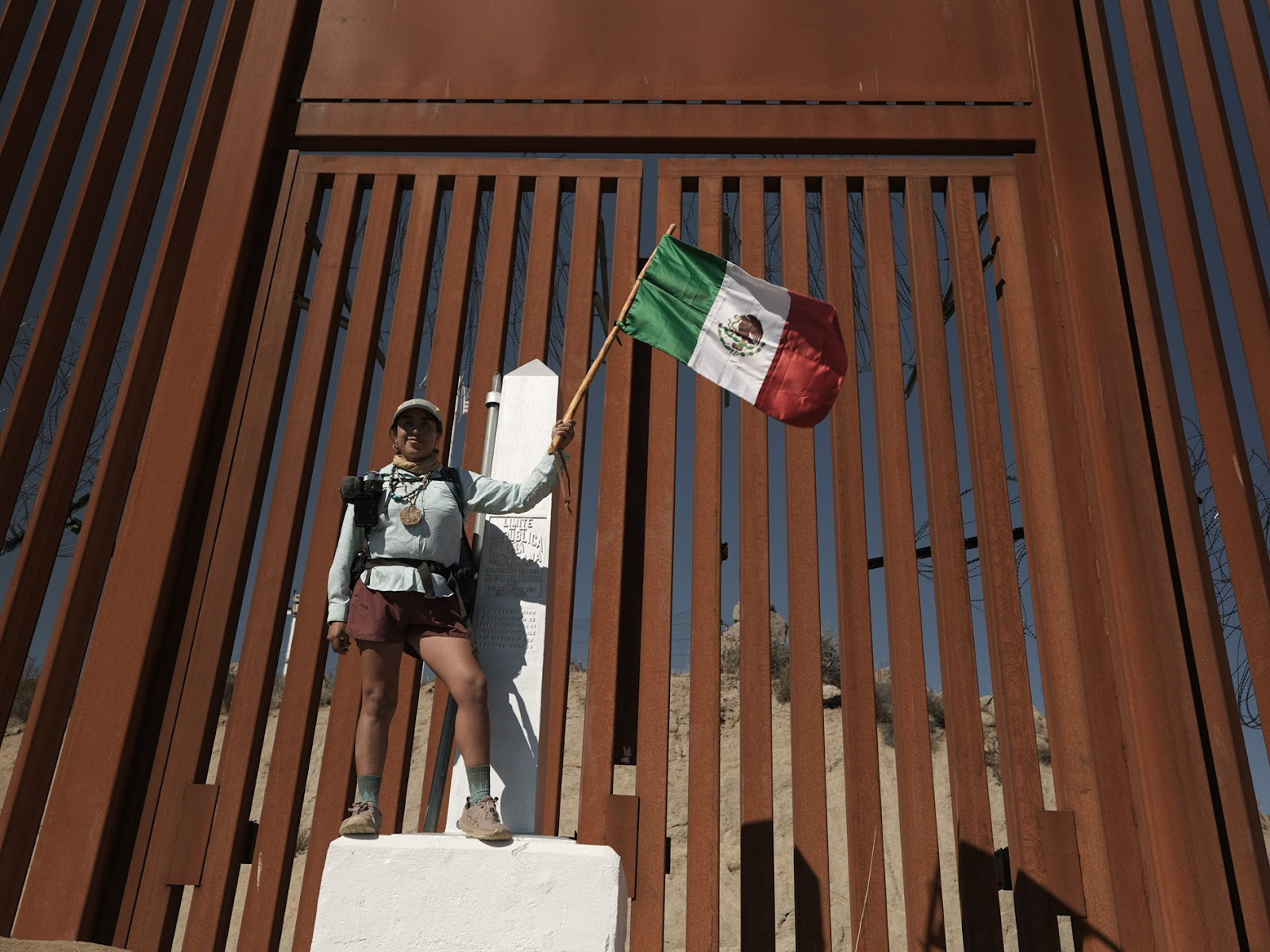
By walking across Baja, she’s opening up new conversations in Latin America about who belongs outdoors, what sport looks like, and how we connect to land with humility and respect.
The Baja Sierra Trail will be her legacy. And this hike is how it begins.
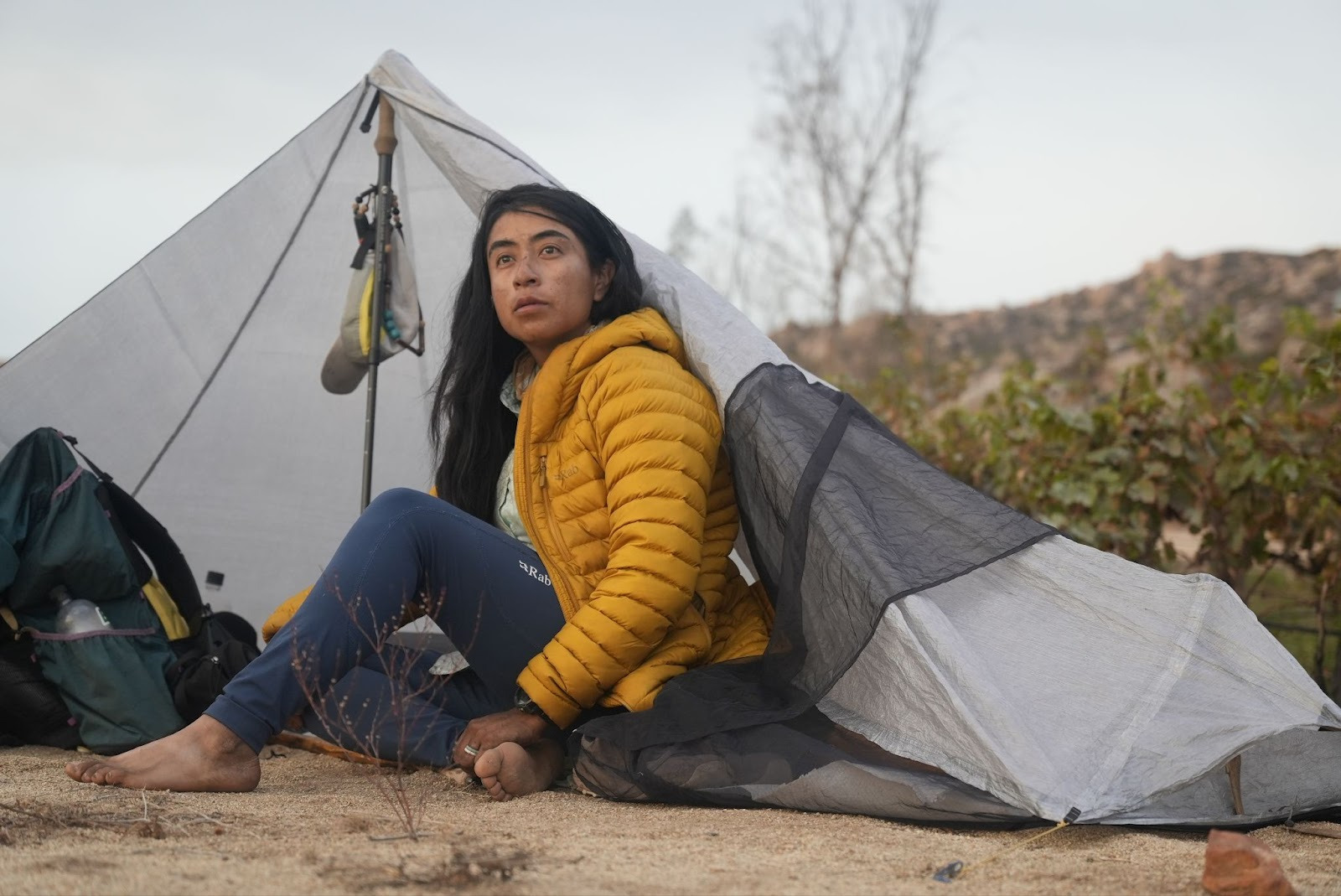
I truly have no words to describe what we’ve accomplished in just a few kilometers.
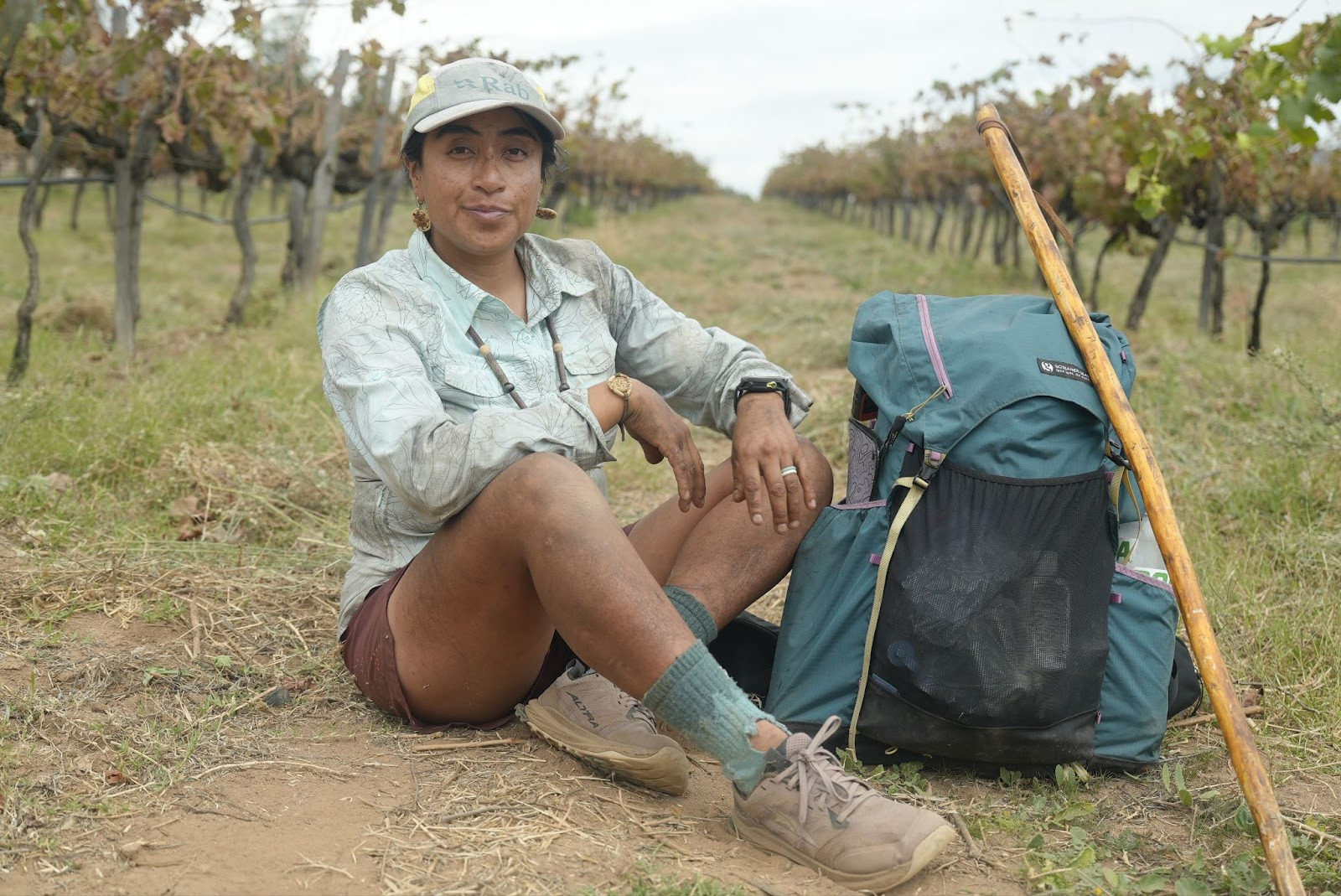
I’ve now walked 240 km, dedicating several days to filming, learning, and living within the Indigenous communities. I’ve learned so much, and these experiences will be deeply reflected in the feature film.
What has meant the most to me is seeing how bringing these sports into their communities sparks a sense of hope and opportunity, especially among the children.
Some days, to stay in shape, I go for a run around the Indigenous community, and the kids run out of their homes calling me to join. With their parents’ permission, they come along: I run, and they follow on their bikes. I’ve witnessed an incredible amount of natural athletic talent.
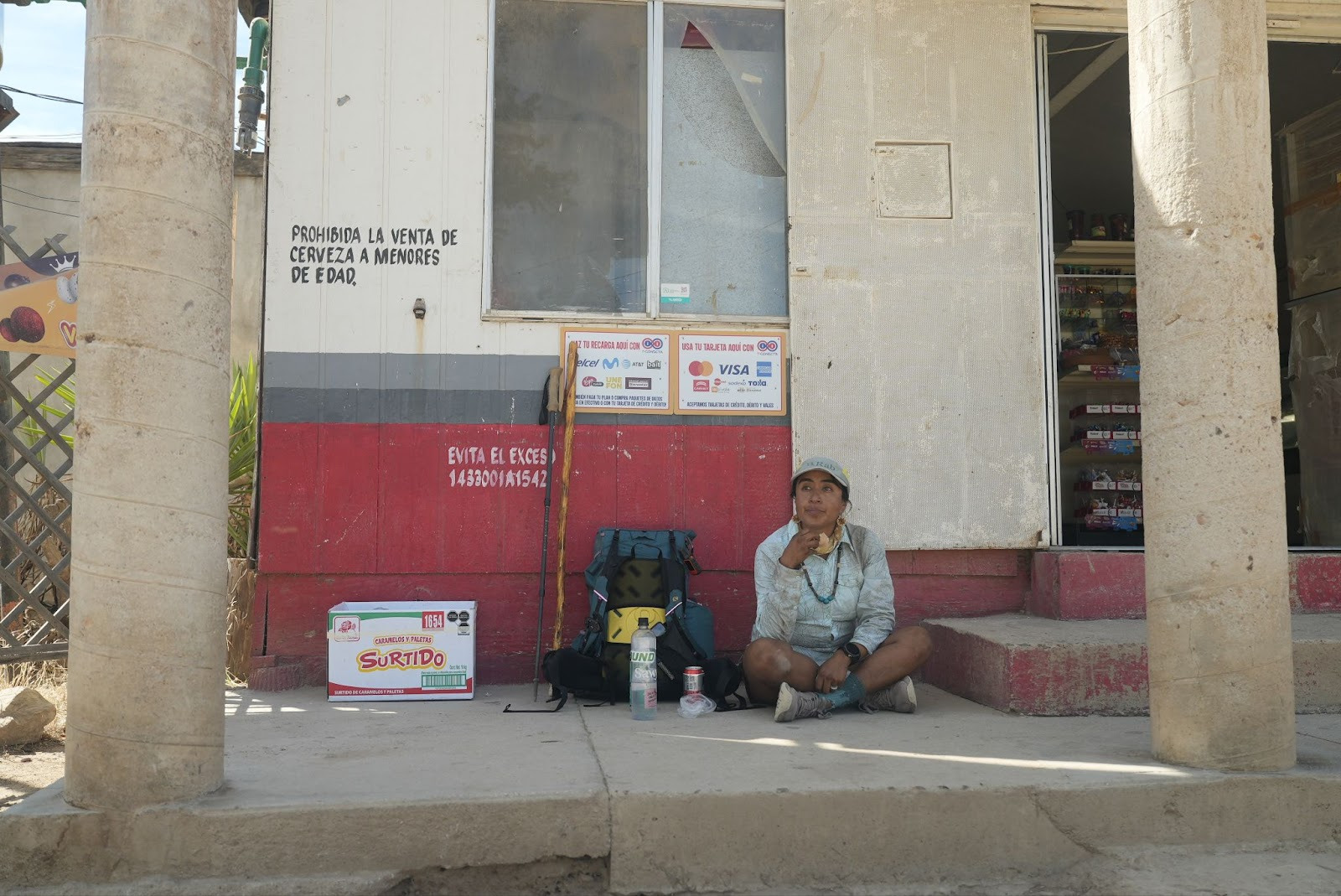
Many of them have already asked, as their "Three Kings Day" wish, to go camping with me, something I’m determined to make happen once I finish in Los Cabos.
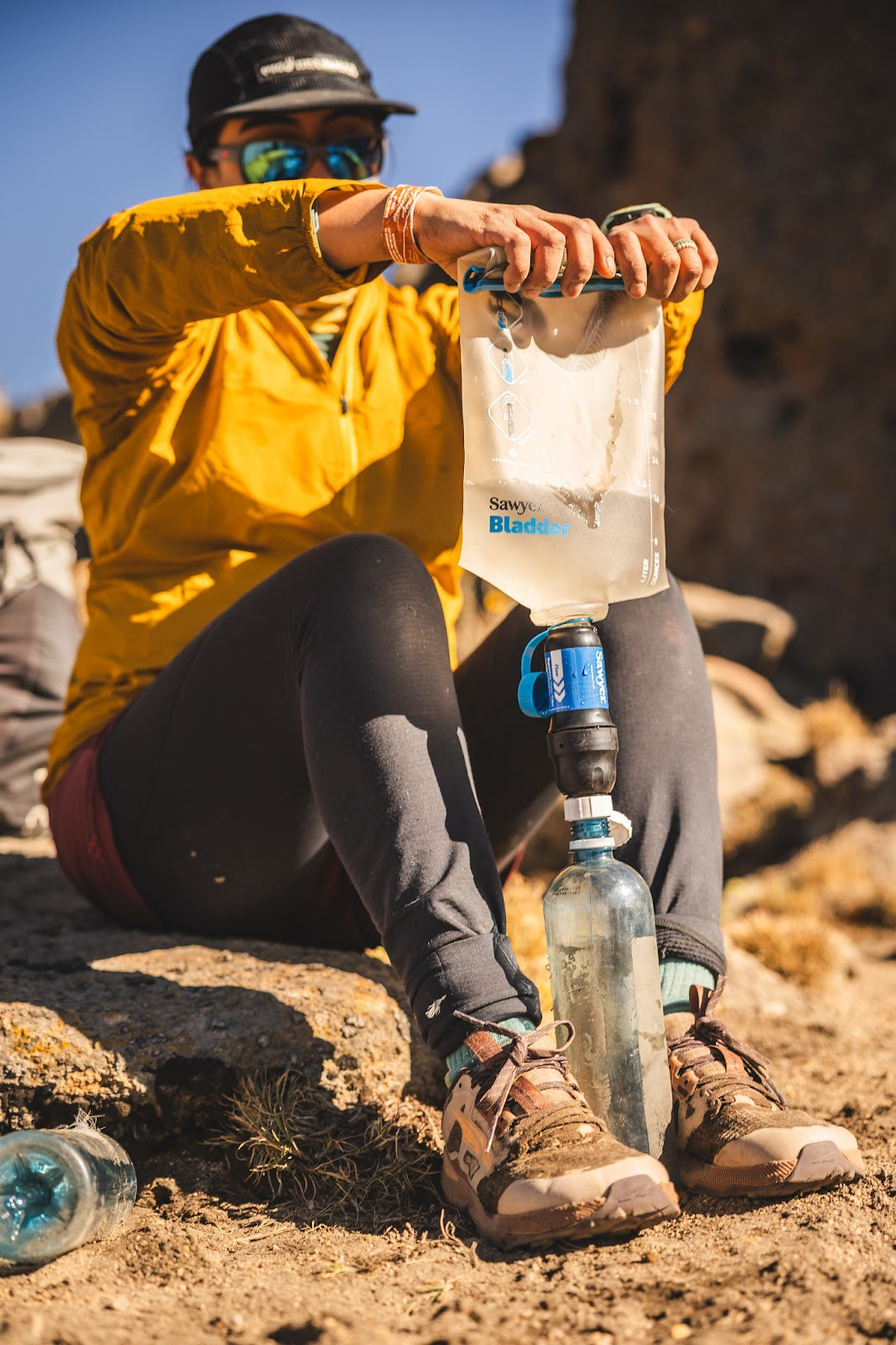
The adults have also opened up, sharing emotions, stories, passions, and things they love, like their cheese-making processes, bread baked in underground ovens, and the knowledge of local cowboys who have helped me along the way. Little by little, a community of new Trail Angels is emerging, and I know they will support future hikers of this route.
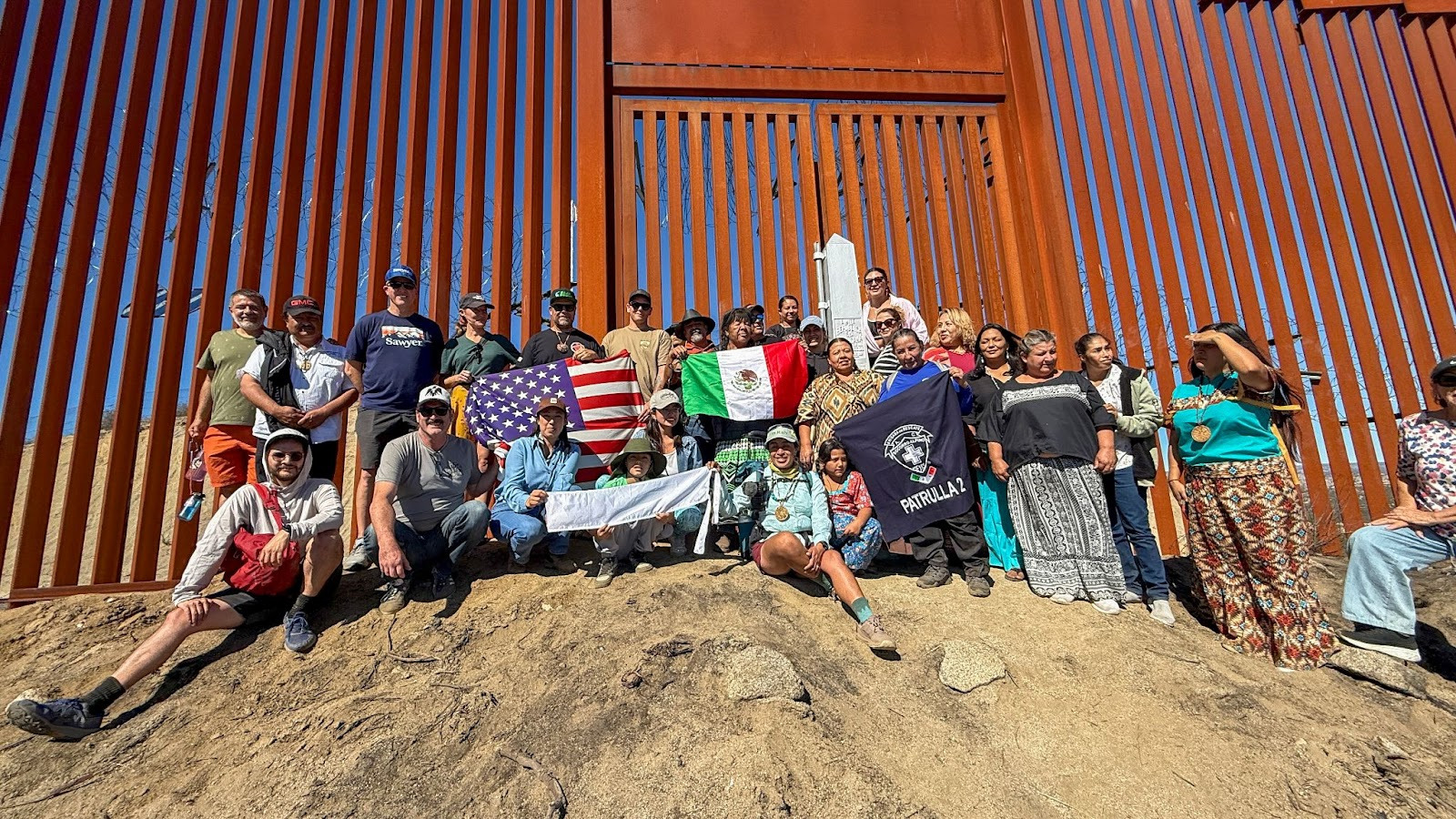
Everyone is happy to be part of this project, and that fills me with joy. A few days ago, when I arrived at a community, all the children were waiting for me outside the school. They got so excited and immediately ran to carry my backpack, and it was amazing to see how strong they are.
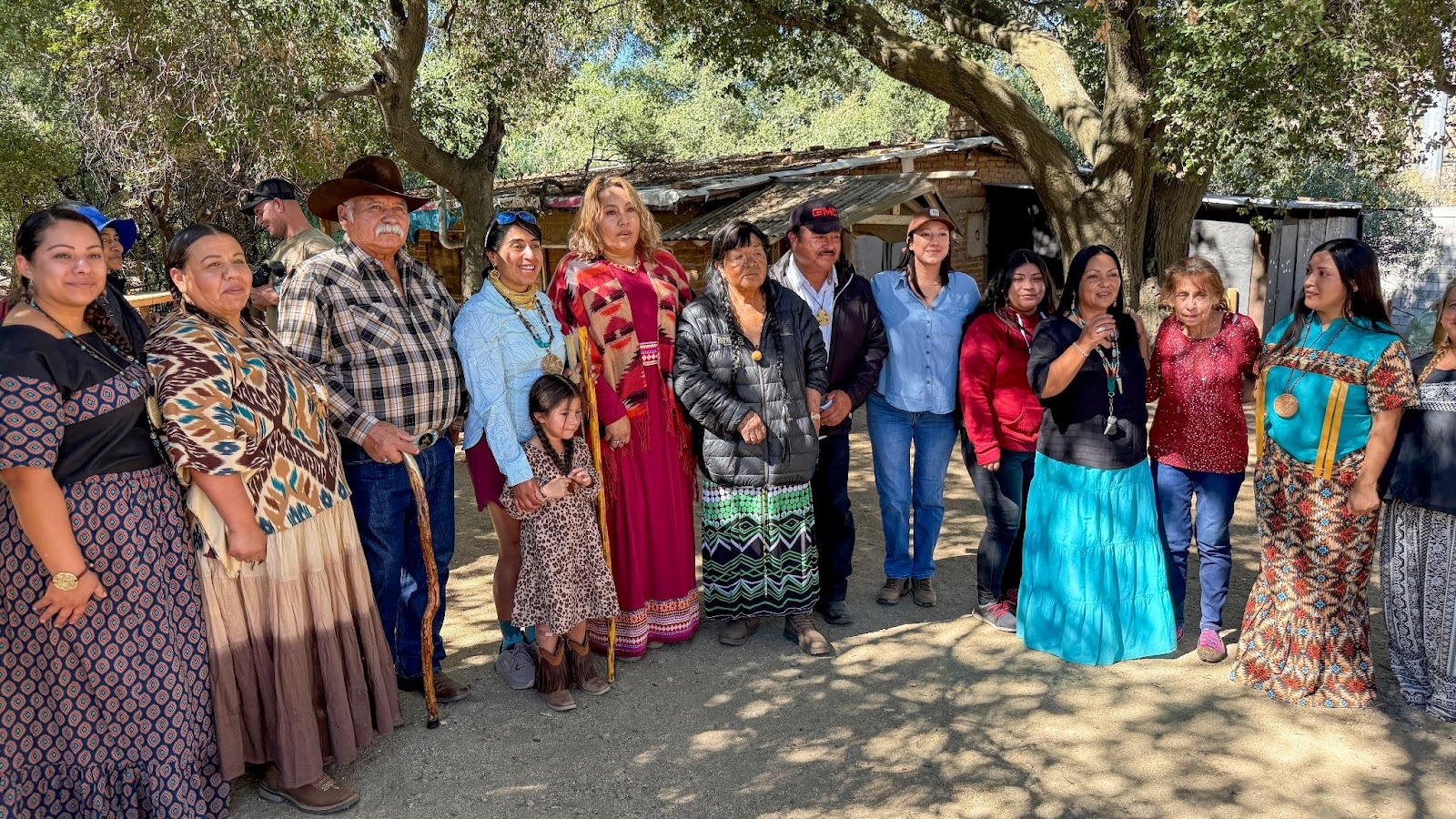
All of this keeps me motivated. There is so much hope here and a genuine desire to grow.
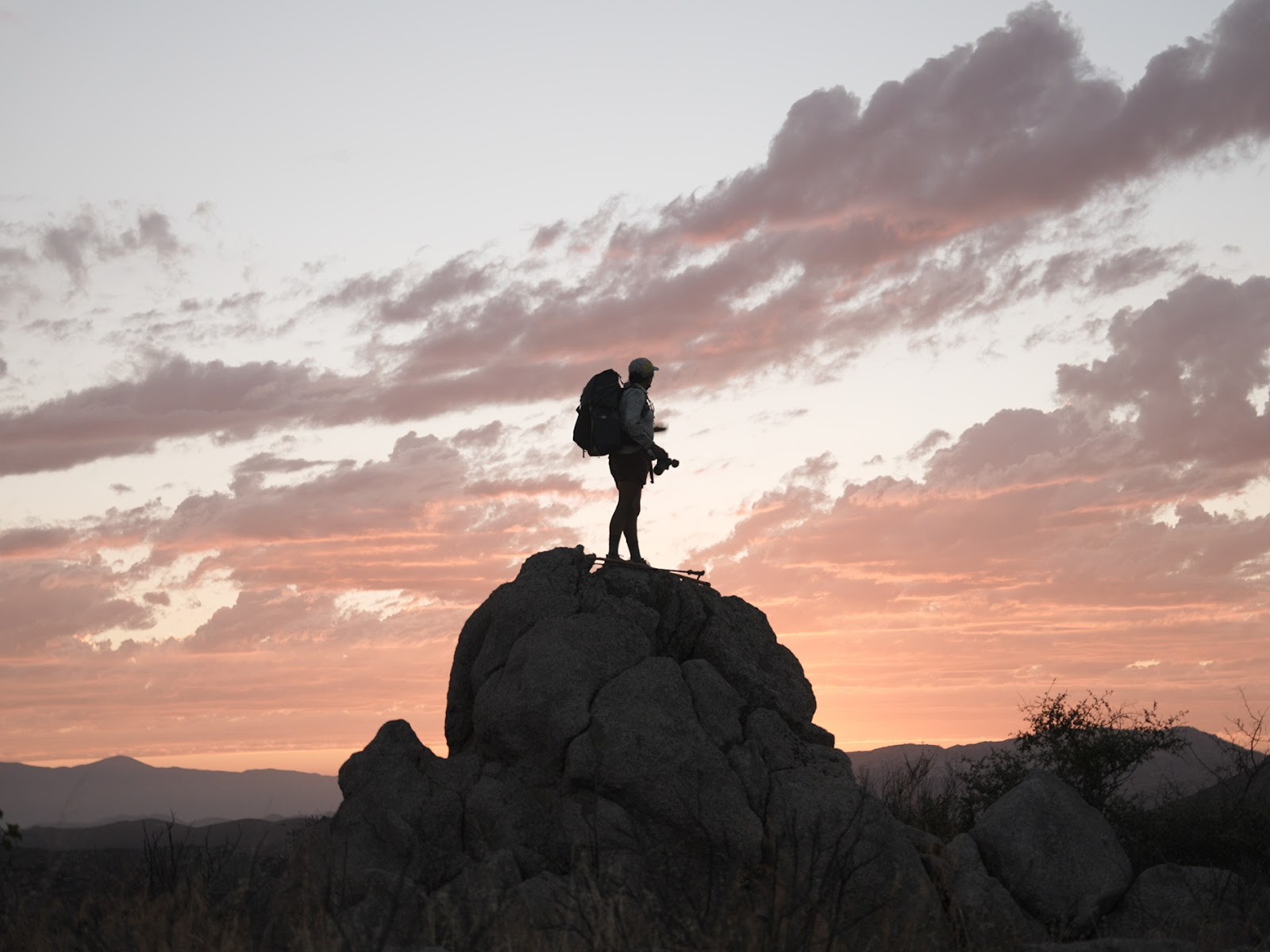
During this walk, I came to understand that our responsibility goes beyond simply creating a route, it also includes caring for the landscapes that make it possible.
Along the way, I encountered areas with vegetation and moisture that naturally suggest the presence of water sources, even though the water itself was no longer visible.
These moments raised important questions and reflections:
These observations are not about assigning blame, but about understanding the evolving relationship between people, land, and water, and recognizing the importance of thoughtful planning and conservation as these landscapes continue to change.
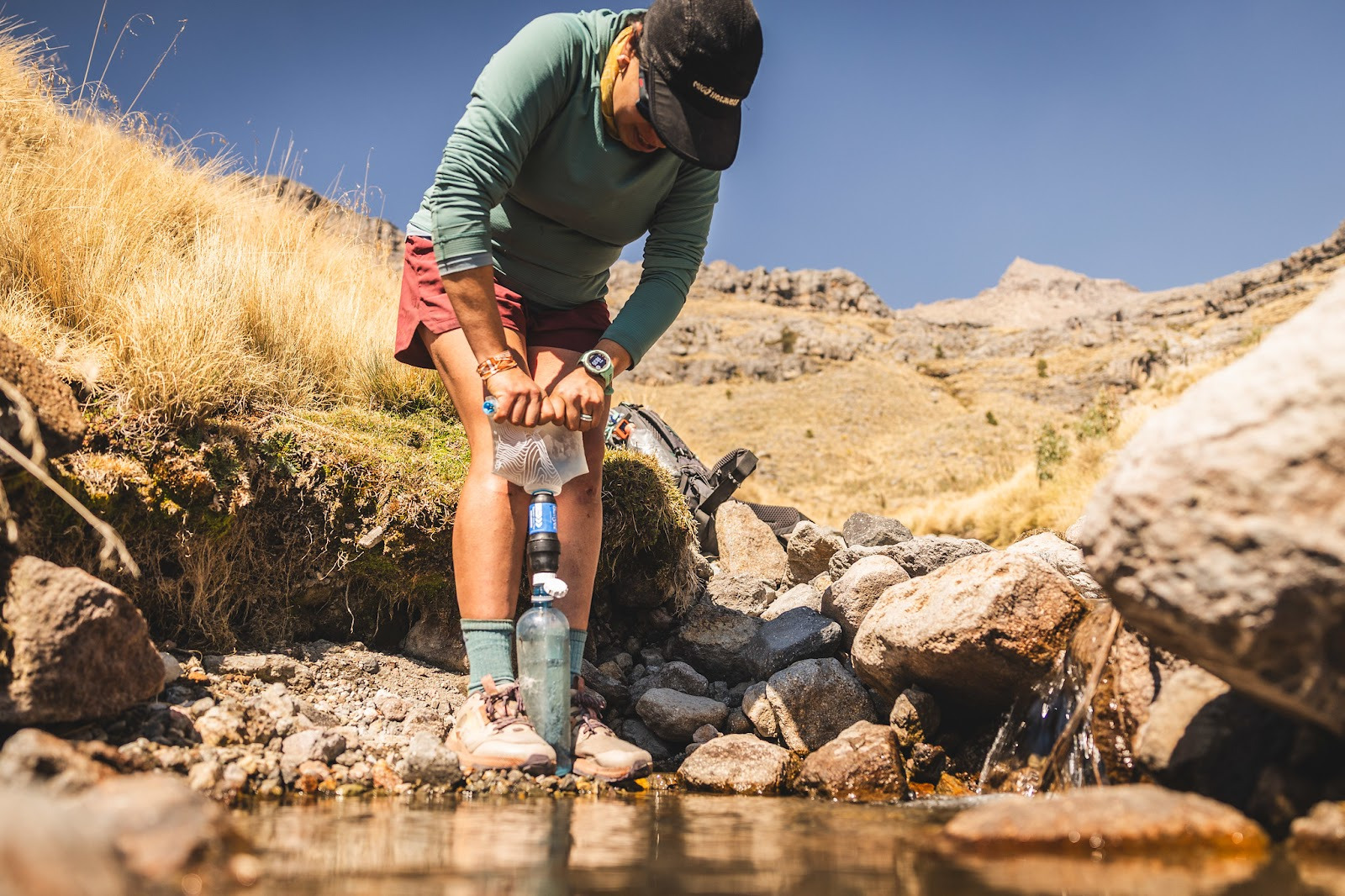
All of this is creating a water shortage that will directly impact the communities living along the route. We need to build thoughtful, strategic awareness around this issue.
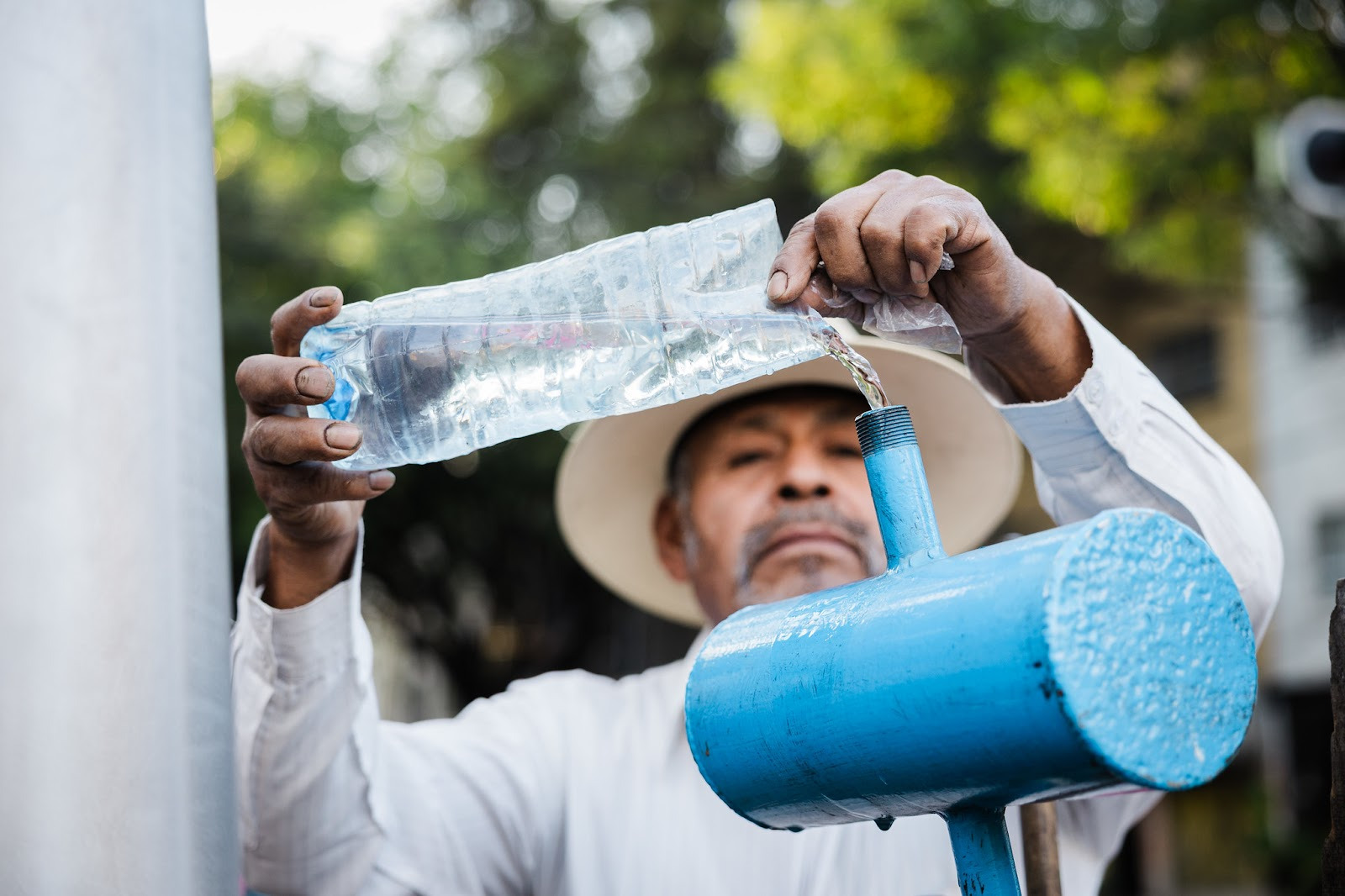
Follow along as Zelzin walks 2,100 kilometers alone through the wild sierras of Baja and honors her roots, strengthens her leadership, and paves the way for all those following in her footsteps.
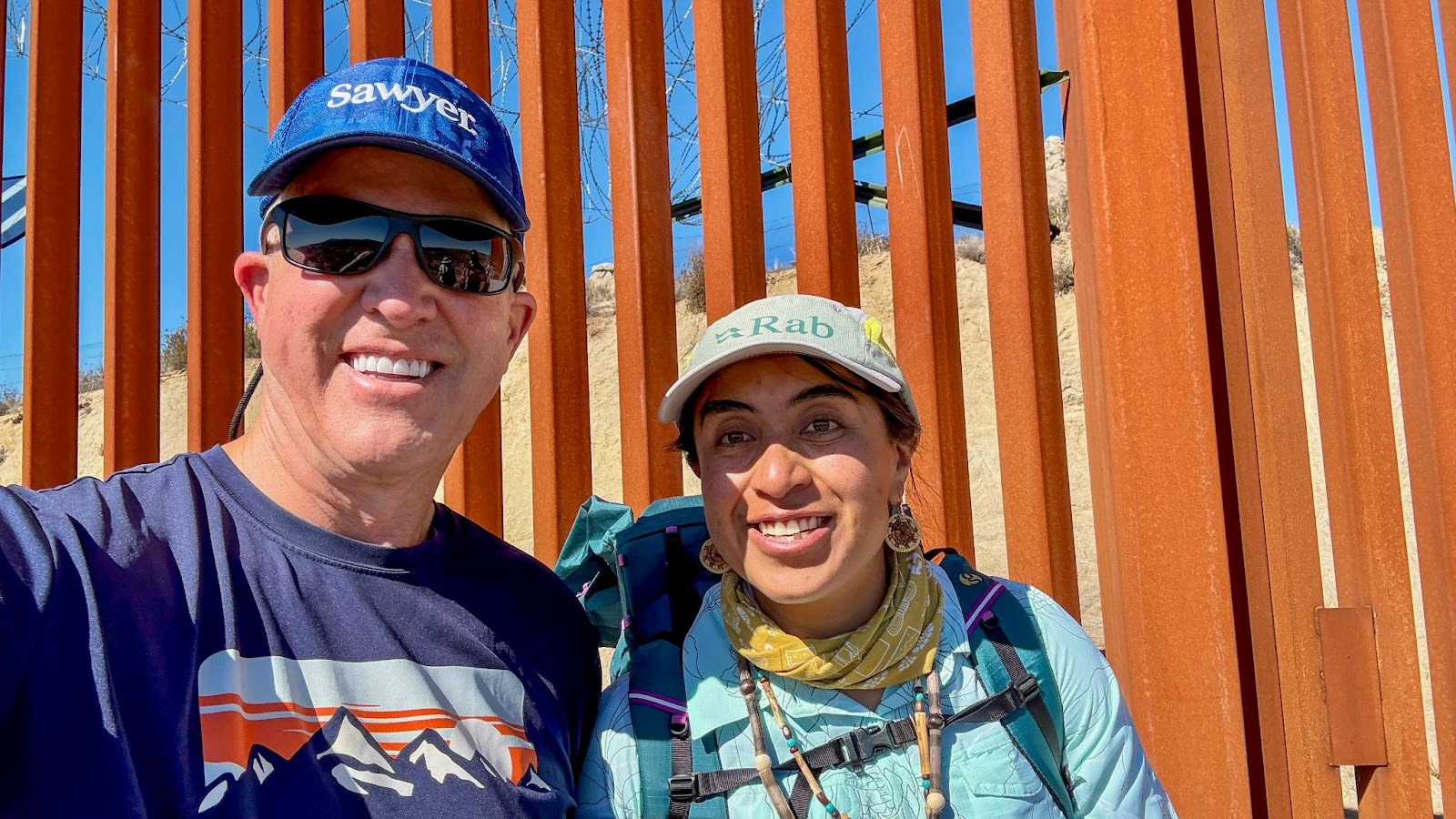

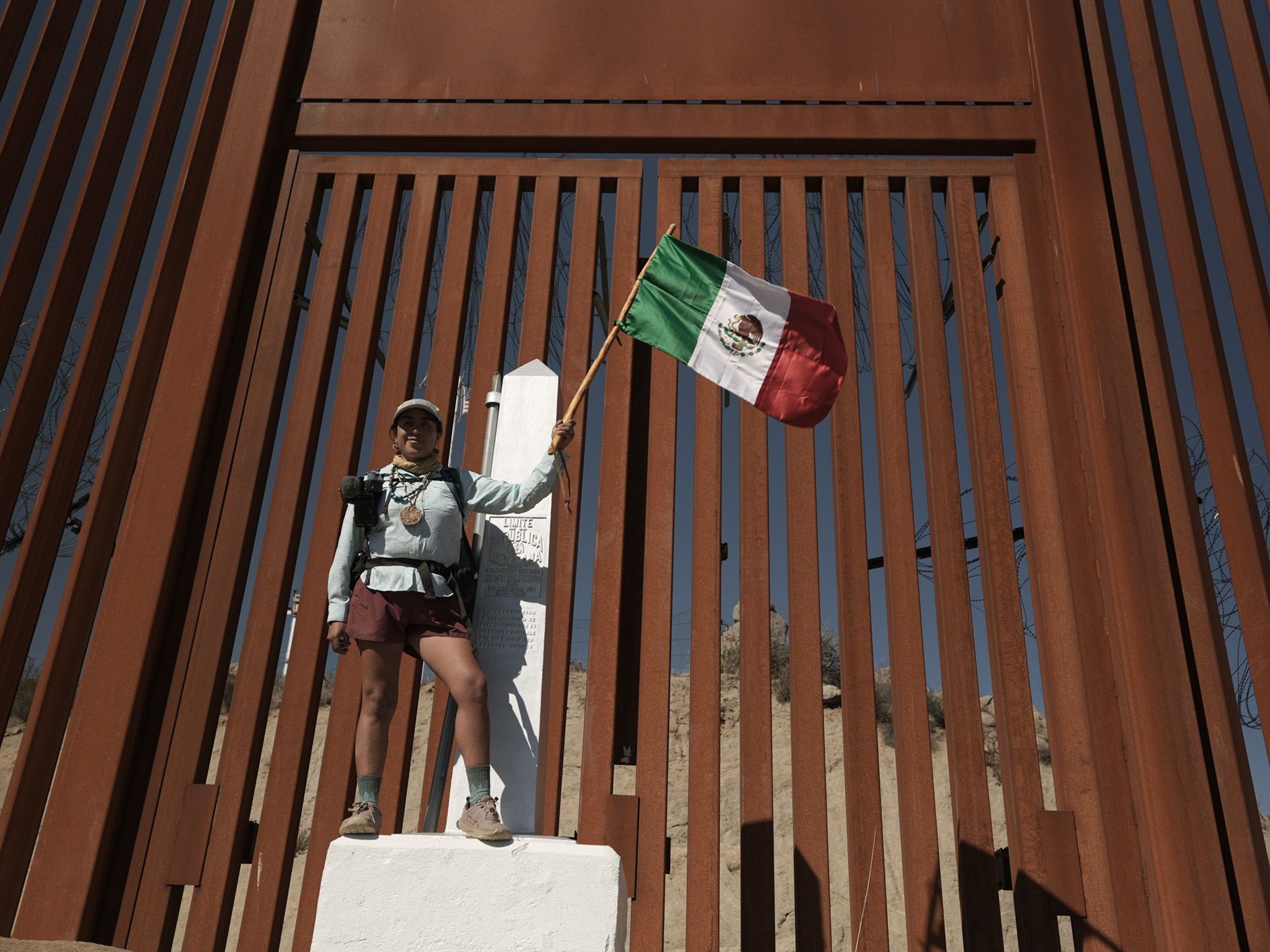
Zelzin Aketzalli- Mexico’s first Triple Crown thru-hiker and long-time Sawyer Ambassador- is in the midst of attempting her most daring feat yet: mapping the country’s first national long-distance trail, entirely on foot.
By walking across Baja, she’s opening up new conversations in Latin America about who belongs outdoors, what sport looks like, and how we connect to land with humility and respect.
The Baja Sierra Trail will be her legacy. And this hike is how it begins.
I truly have no words to describe what we’ve accomplished in just a few kilometers.
I’ve now walked 240 km, dedicating several days to filming, learning, and living within the Indigenous communities. I’ve learned so much, and these experiences will be deeply reflected in the feature film.
What has meant the most to me is seeing how bringing these sports into their communities sparks a sense of hope and opportunity, especially among the children.
Some days, to stay in shape, I go for a run around the Indigenous community, and the kids run out of their homes calling me to join. With their parents’ permission, they come along: I run, and they follow on their bikes. I’ve witnessed an incredible amount of natural athletic talent.
Many of them have already asked, as their "Three Kings Day" wish, to go camping with me, something I’m determined to make happen once I finish in Los Cabos.
The adults have also opened up, sharing emotions, stories, passions, and things they love, like their cheese-making processes, bread baked in underground ovens, and the knowledge of local cowboys who have helped me along the way. Little by little, a community of new Trail Angels is emerging, and I know they will support future hikers of this route.
Everyone is happy to be part of this project, and that fills me with joy. A few days ago, when I arrived at a community, all the children were waiting for me outside the school. They got so excited and immediately ran to carry my backpack, and it was amazing to see how strong they are.
All of this keeps me motivated. There is so much hope here and a genuine desire to grow.
During this walk, I came to understand that our responsibility goes beyond simply creating a route, it also includes caring for the landscapes that make it possible.
Along the way, I encountered areas with vegetation and moisture that naturally suggest the presence of water sources, even though the water itself was no longer visible.
These moments raised important questions and reflections:
These observations are not about assigning blame, but about understanding the evolving relationship between people, land, and water, and recognizing the importance of thoughtful planning and conservation as these landscapes continue to change.
All of this is creating a water shortage that will directly impact the communities living along the route. We need to build thoughtful, strategic awareness around this issue.
Follow along as Zelzin walks 2,100 kilometers alone through the wild sierras of Baja and honors her roots, strengthens her leadership, and paves the way for all those following in her footsteps.
Zelzin Aketzalli- Mexico’s first Triple Crown thru-hiker and long-time Sawyer Ambassador- is in the midst of attempting her most daring feat yet: mapping the country’s first national long-distance trail, entirely on foot.
By walking across Baja, she’s opening up new conversations in Latin America about who belongs outdoors, what sport looks like, and how we connect to land with humility and respect.
The Baja Sierra Trail will be her legacy. And this hike is how it begins.
I truly have no words to describe what we’ve accomplished in just a few kilometers.
I’ve now walked 240 km, dedicating several days to filming, learning, and living within the Indigenous communities. I’ve learned so much, and these experiences will be deeply reflected in the feature film.
What has meant the most to me is seeing how bringing these sports into their communities sparks a sense of hope and opportunity, especially among the children.
Some days, to stay in shape, I go for a run around the Indigenous community, and the kids run out of their homes calling me to join. With their parents’ permission, they come along: I run, and they follow on their bikes. I’ve witnessed an incredible amount of natural athletic talent.
Many of them have already asked, as their "Three Kings Day" wish, to go camping with me, something I’m determined to make happen once I finish in Los Cabos.
The adults have also opened up, sharing emotions, stories, passions, and things they love, like their cheese-making processes, bread baked in underground ovens, and the knowledge of local cowboys who have helped me along the way. Little by little, a community of new Trail Angels is emerging, and I know they will support future hikers of this route.
Everyone is happy to be part of this project, and that fills me with joy. A few days ago, when I arrived at a community, all the children were waiting for me outside the school. They got so excited and immediately ran to carry my backpack, and it was amazing to see how strong they are.
All of this keeps me motivated. There is so much hope here and a genuine desire to grow.
During this walk, I came to understand that our responsibility goes beyond simply creating a route, it also includes caring for the landscapes that make it possible.
Along the way, I encountered areas with vegetation and moisture that naturally suggest the presence of water sources, even though the water itself was no longer visible.
These moments raised important questions and reflections:
These observations are not about assigning blame, but about understanding the evolving relationship between people, land, and water, and recognizing the importance of thoughtful planning and conservation as these landscapes continue to change.
All of this is creating a water shortage that will directly impact the communities living along the route. We need to build thoughtful, strategic awareness around this issue.
Follow along as Zelzin walks 2,100 kilometers alone through the wild sierras of Baja and honors her roots, strengthens her leadership, and paves the way for all those following in her footsteps.
Mais do que uma empresa de actividades ao ar livre.

