



%20copy.webp)




Siga-nos no Instagram
Mais do que uma empresa de actividades ao ar livre.

@sawyerproducts
Follow us on Instagram

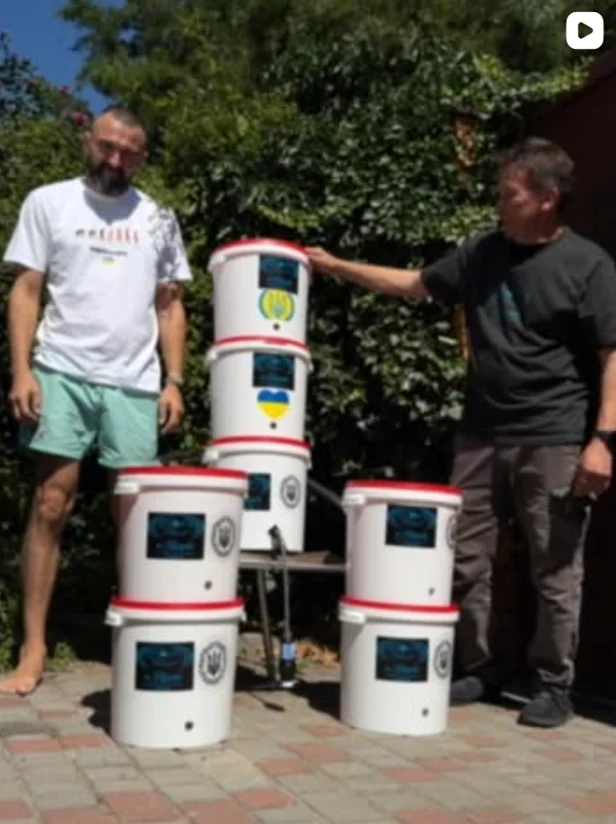
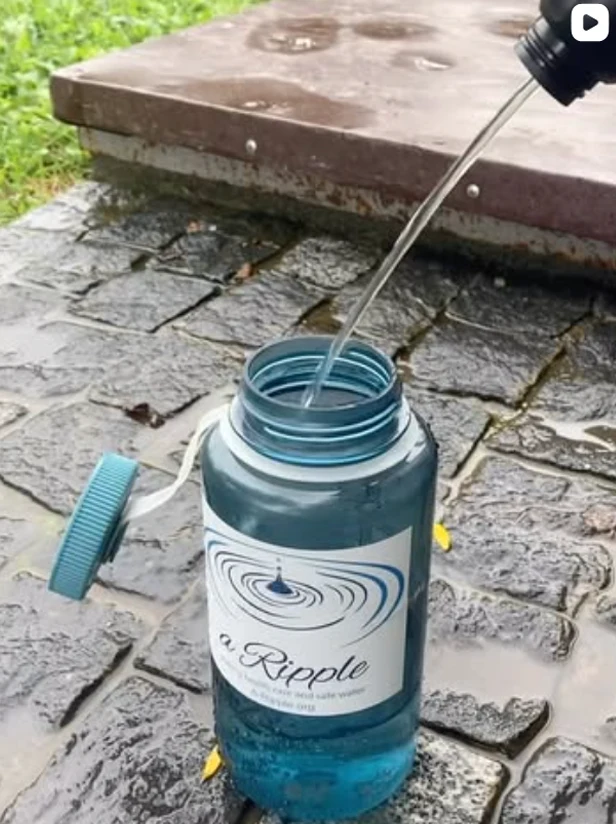

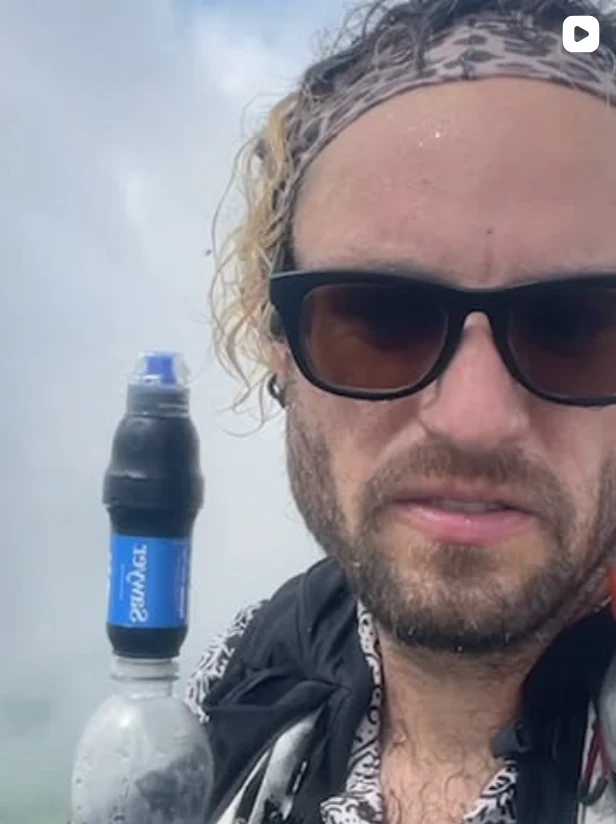



What impact can one inspired ultra-runner have on the outdoors? Let Karin be your guide.
Watch videoLolly wrappers, plastic bottles, ciggy butts… these are some of the usual suspects I come across on the trails.
Even up at the top of a mountain, after hours of hiking, I’ll spot a crumpled snack wrapper tucked under a rock. It still baffles me every time. Why would anyone carry something all the way up here just to dump it? But then again, there's no point in getting angry about it.
Back in 2018, I was training for my first ultra-marathon: a full 100 km of Type 2 fun. Most of my runs were on the urban trails around Melbourne, especially along the Yarra River (Birrarung). I’d pass cockatoos screeching from the treetops and ringtail possums rustling in the bushes. These were the trails I fell in love with. But once I started clocking up serious hours on them, I began noticing more and more litter. It got to me.
I’d have these angry inner monologues while running, wondering who could be so careless. Until one day, I just picked something up.

Then another. Just small bits of plastic here and there, but it helped. I was still annoyed, but I was doing something. My running vest pockets started filling up every session. Eventually, I decided to invite a few mates to join. We brought gloves and reusable bags and picked up what we could.
One bag turned into three. One run turned into a small monthly ritual. At the time, I didn’t even know this had a name. Later I learned it was called plogging, a term from Sweden that combines “pick up” and “jogging.” But to me, it was just common sense.
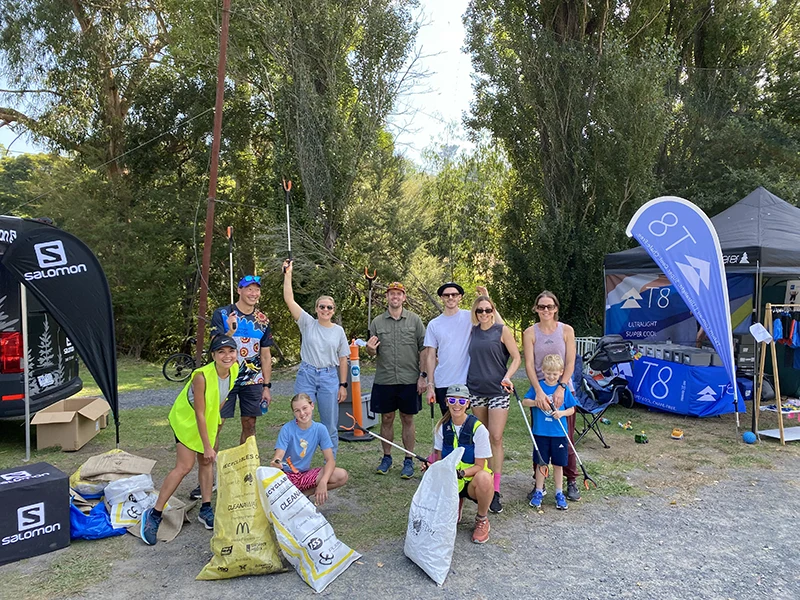
That’s how The Plastic Runner began. Since then, I’ve hosted more than 50 trail cleanups across different countries.
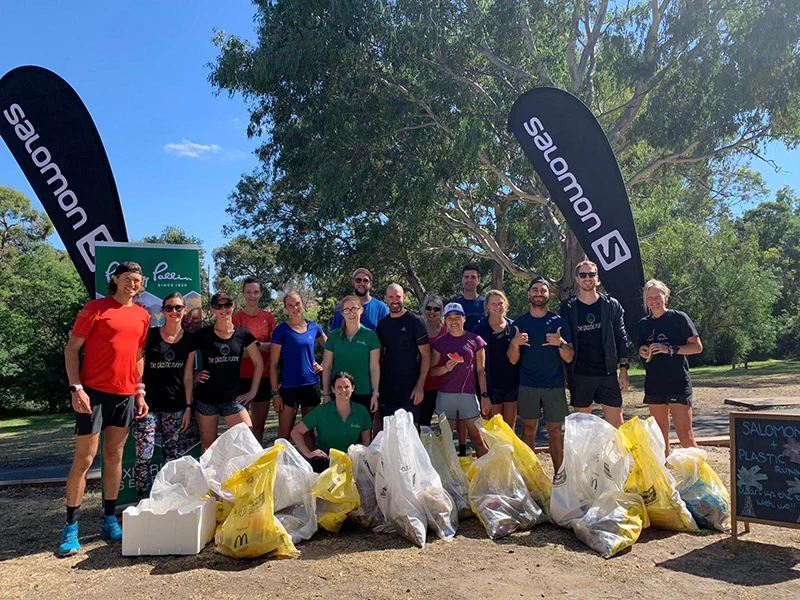
The Plastic Runner goes where I go. To date, we’ve collected close to 2,000 kilograms of rubbish. Most of it has been soft plastic: chip packets, food wrappers, plastic bags. The kind of stuff that’s tricky to recycle and usually gets missed in regular bins.
Globally, plastic packaging is one of the biggest sources of plastic waste, and once it ends up in nature, it just breaks down into smaller pieces and stays there for years, if not decades.
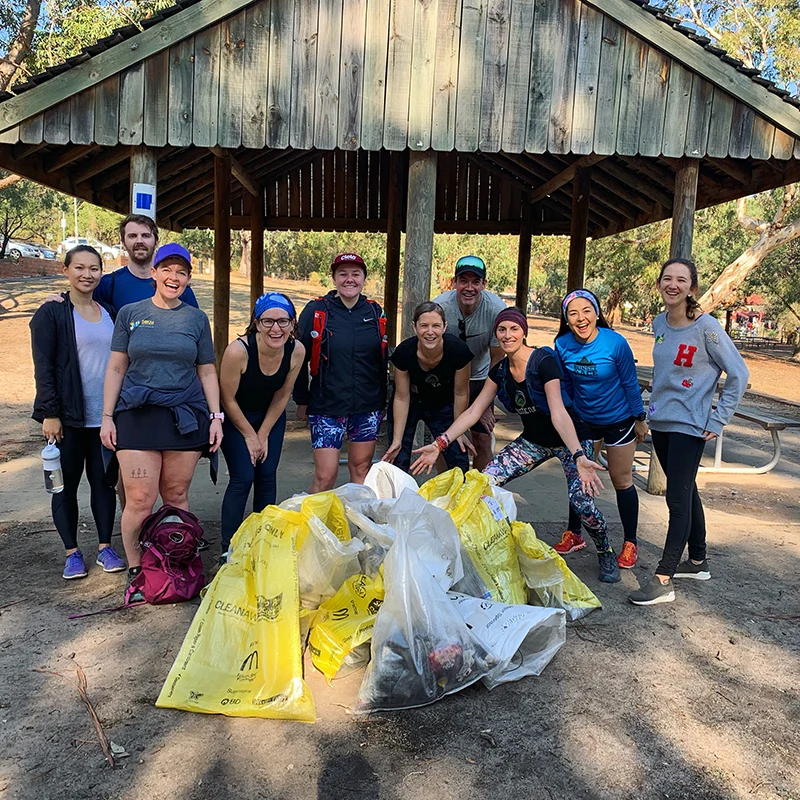
We’ve cleaned up rice fields in Indonesia, trails in Chile, riversides in Australia. Each event looks a bit different, but the vibe is the same. Show up, do what we can, and leave the place better than we found it.
And honestly, it’s not that hard to make a difference.
Even if you’re not joining a group cleanup, you can pick up one thing. Just one. A rogue lolly wrapper, a straw, a bottle cap. It adds up. If 100 people picked up one thing a day, that’s over 36,000 pieces a year gone from the trails.
But a cleanup is only part of the story. The bigger shift for me has been learning how to avoid creating the problem in the first place. These days, I travel and train with a few basics that help me skip single-use plastic altogether.
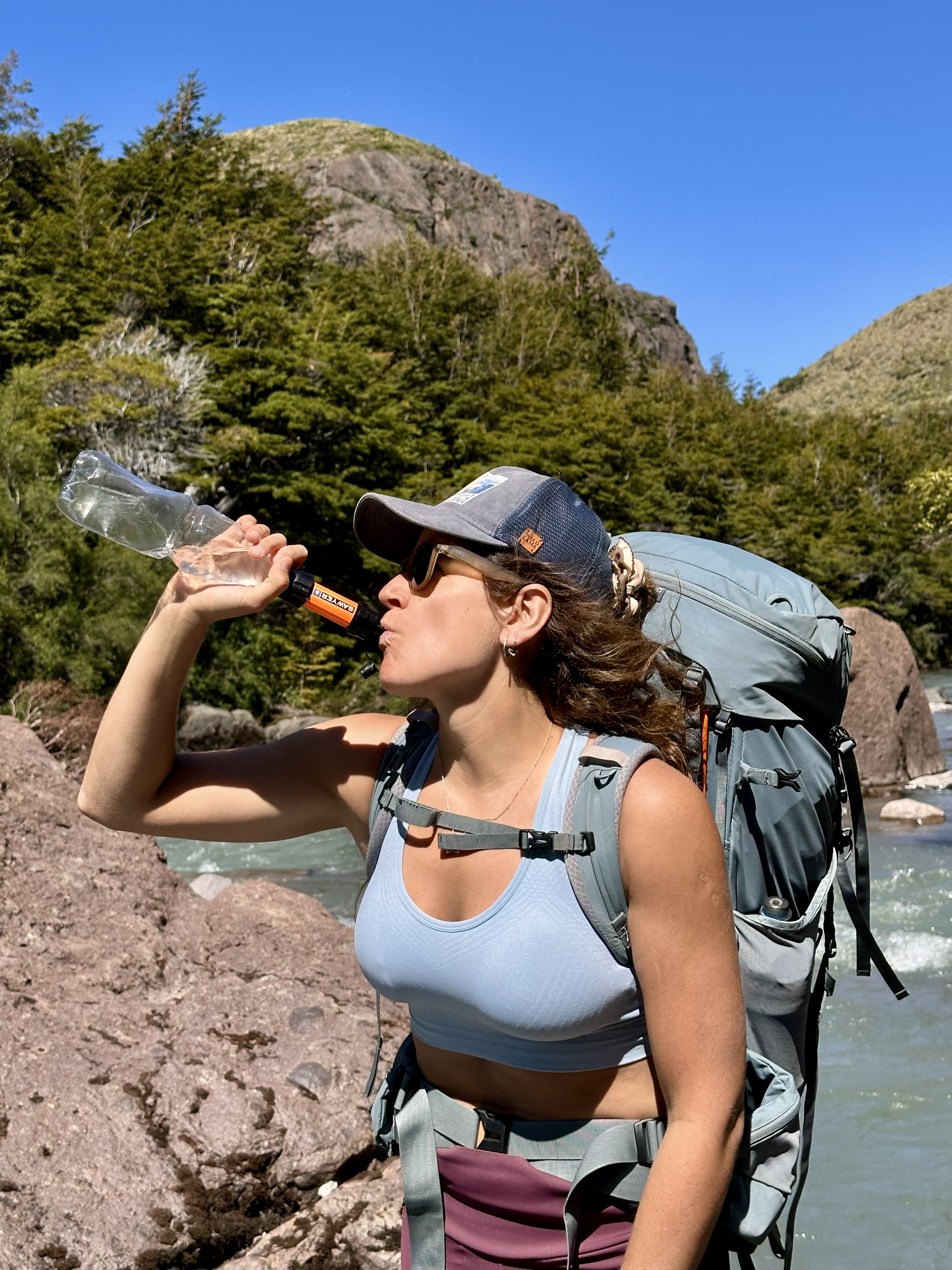
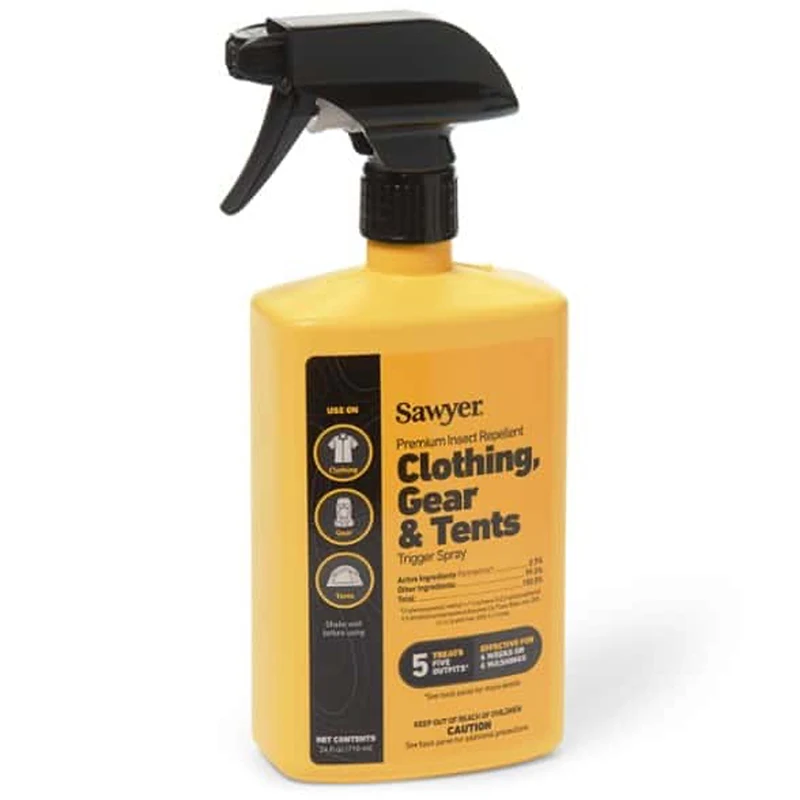
Things like a Sawyer water filter and a reusable bottle help me skip single-use plastic altogether.
I can basically fill up anywhere without buying bottled water which is especially important for where I live now in Bali. I also carry a cloth bag, lightweight cutlery set and metal straw so I can say ‘no’ more often at the check out. It’s not about being perfect. It’s just about being prepared. When we’re out in wild places, whether it’s running, hiking, or just wandering, we’re part of that environment. We don’t need to be experts or activists to care. Sometimes the most powerful thing you can do is stop, pick something up, and carry it out. That quiet action speaks volumes.

So next time you’re out there, remember: your legs might carry you through the trail, but your hands can help protect it too.
If you ever want to join a Plastic Runner cleanup or host your own, get in touch. I’m always up for chatting Leave No Trace tips, DIY plogging kits, or how to rally your local running group against litter. Let’s keep wild places wild. And a little less full of lolly wrappers.
Lolly wrappers, plastic bottles, ciggy butts… these are some of the usual suspects I come across on the trails.
Even up at the top of a mountain, after hours of hiking, I’ll spot a crumpled snack wrapper tucked under a rock. It still baffles me every time. Why would anyone carry something all the way up here just to dump it? But then again, there's no point in getting angry about it.
Back in 2018, I was training for my first ultra-marathon: a full 100 km of Type 2 fun. Most of my runs were on the urban trails around Melbourne, especially along the Yarra River (Birrarung). I’d pass cockatoos screeching from the treetops and ringtail possums rustling in the bushes. These were the trails I fell in love with. But once I started clocking up serious hours on them, I began noticing more and more litter. It got to me.
I’d have these angry inner monologues while running, wondering who could be so careless. Until one day, I just picked something up.
Then another. Just small bits of plastic here and there, but it helped. I was still annoyed, but I was doing something. My running vest pockets started filling up every session. Eventually, I decided to invite a few mates to join. We brought gloves and reusable bags and picked up what we could.
One bag turned into three. One run turned into a small monthly ritual. At the time, I didn’t even know this had a name. Later I learned it was called plogging, a term from Sweden that combines “pick up” and “jogging.” But to me, it was just common sense.
That’s how The Plastic Runner began. Since then, I’ve hosted more than 50 trail cleanups across different countries.
The Plastic Runner goes where I go. To date, we’ve collected close to 2,000 kilograms of rubbish. Most of it has been soft plastic: chip packets, food wrappers, plastic bags. The kind of stuff that’s tricky to recycle and usually gets missed in regular bins.
Globally, plastic packaging is one of the biggest sources of plastic waste, and once it ends up in nature, it just breaks down into smaller pieces and stays there for years, if not decades.
We’ve cleaned up rice fields in Indonesia, trails in Chile, riversides in Australia. Each event looks a bit different, but the vibe is the same. Show up, do what we can, and leave the place better than we found it.
And honestly, it’s not that hard to make a difference.
Even if you’re not joining a group cleanup, you can pick up one thing. Just one. A rogue lolly wrapper, a straw, a bottle cap. It adds up. If 100 people picked up one thing a day, that’s over 36,000 pieces a year gone from the trails.
But a cleanup is only part of the story. The bigger shift for me has been learning how to avoid creating the problem in the first place. These days, I travel and train with a few basics that help me skip single-use plastic altogether.
Things like a Sawyer water filter and a reusable bottle help me skip single-use plastic altogether.
I can basically fill up anywhere without buying bottled water which is especially important for where I live now in Bali. I also carry a cloth bag, lightweight cutlery set and metal straw so I can say ‘no’ more often at the check out. It’s not about being perfect. It’s just about being prepared. When we’re out in wild places, whether it’s running, hiking, or just wandering, we’re part of that environment. We don’t need to be experts or activists to care. Sometimes the most powerful thing you can do is stop, pick something up, and carry it out. That quiet action speaks volumes.
So next time you’re out there, remember: your legs might carry you through the trail, but your hands can help protect it too.
If you ever want to join a Plastic Runner cleanup or host your own, get in touch. I’m always up for chatting Leave No Trace tips, DIY plogging kits, or how to rally your local running group against litter. Let’s keep wild places wild. And a little less full of lolly wrappers.
Lolly wrappers, plastic bottles, ciggy butts… these are some of the usual suspects I come across on the trails.
Even up at the top of a mountain, after hours of hiking, I’ll spot a crumpled snack wrapper tucked under a rock. It still baffles me every time. Why would anyone carry something all the way up here just to dump it? But then again, there's no point in getting angry about it.
Back in 2018, I was training for my first ultra-marathon: a full 100 km of Type 2 fun. Most of my runs were on the urban trails around Melbourne, especially along the Yarra River (Birrarung). I’d pass cockatoos screeching from the treetops and ringtail possums rustling in the bushes. These were the trails I fell in love with. But once I started clocking up serious hours on them, I began noticing more and more litter. It got to me.
I’d have these angry inner monologues while running, wondering who could be so careless. Until one day, I just picked something up.
Then another. Just small bits of plastic here and there, but it helped. I was still annoyed, but I was doing something. My running vest pockets started filling up every session. Eventually, I decided to invite a few mates to join. We brought gloves and reusable bags and picked up what we could.
One bag turned into three. One run turned into a small monthly ritual. At the time, I didn’t even know this had a name. Later I learned it was called plogging, a term from Sweden that combines “pick up” and “jogging.” But to me, it was just common sense.
That’s how The Plastic Runner began. Since then, I’ve hosted more than 50 trail cleanups across different countries.
The Plastic Runner goes where I go. To date, we’ve collected close to 2,000 kilograms of rubbish. Most of it has been soft plastic: chip packets, food wrappers, plastic bags. The kind of stuff that’s tricky to recycle and usually gets missed in regular bins.
Globally, plastic packaging is one of the biggest sources of plastic waste, and once it ends up in nature, it just breaks down into smaller pieces and stays there for years, if not decades.
We’ve cleaned up rice fields in Indonesia, trails in Chile, riversides in Australia. Each event looks a bit different, but the vibe is the same. Show up, do what we can, and leave the place better than we found it.
And honestly, it’s not that hard to make a difference.
Even if you’re not joining a group cleanup, you can pick up one thing. Just one. A rogue lolly wrapper, a straw, a bottle cap. It adds up. If 100 people picked up one thing a day, that’s over 36,000 pieces a year gone from the trails.
But a cleanup is only part of the story. The bigger shift for me has been learning how to avoid creating the problem in the first place. These days, I travel and train with a few basics that help me skip single-use plastic altogether.
Things like a Sawyer water filter and a reusable bottle help me skip single-use plastic altogether.
I can basically fill up anywhere without buying bottled water which is especially important for where I live now in Bali. I also carry a cloth bag, lightweight cutlery set and metal straw so I can say ‘no’ more often at the check out. It’s not about being perfect. It’s just about being prepared. When we’re out in wild places, whether it’s running, hiking, or just wandering, we’re part of that environment. We don’t need to be experts or activists to care. Sometimes the most powerful thing you can do is stop, pick something up, and carry it out. That quiet action speaks volumes.
So next time you’re out there, remember: your legs might carry you through the trail, but your hands can help protect it too.
If you ever want to join a Plastic Runner cleanup or host your own, get in touch. I’m always up for chatting Leave No Trace tips, DIY plogging kits, or how to rally your local running group against litter. Let’s keep wild places wild. And a little less full of lolly wrappers.
Mais do que uma empresa de actividades ao ar livre.

