













Siga-nos no Instagram
Mais do que uma empresa de actividades ao ar livre.

@sawyerproducts
Follow us on Instagram











Suggestions to keep ticks at bay from Kurt Avery, Sawyer Founder and President.
Watch video
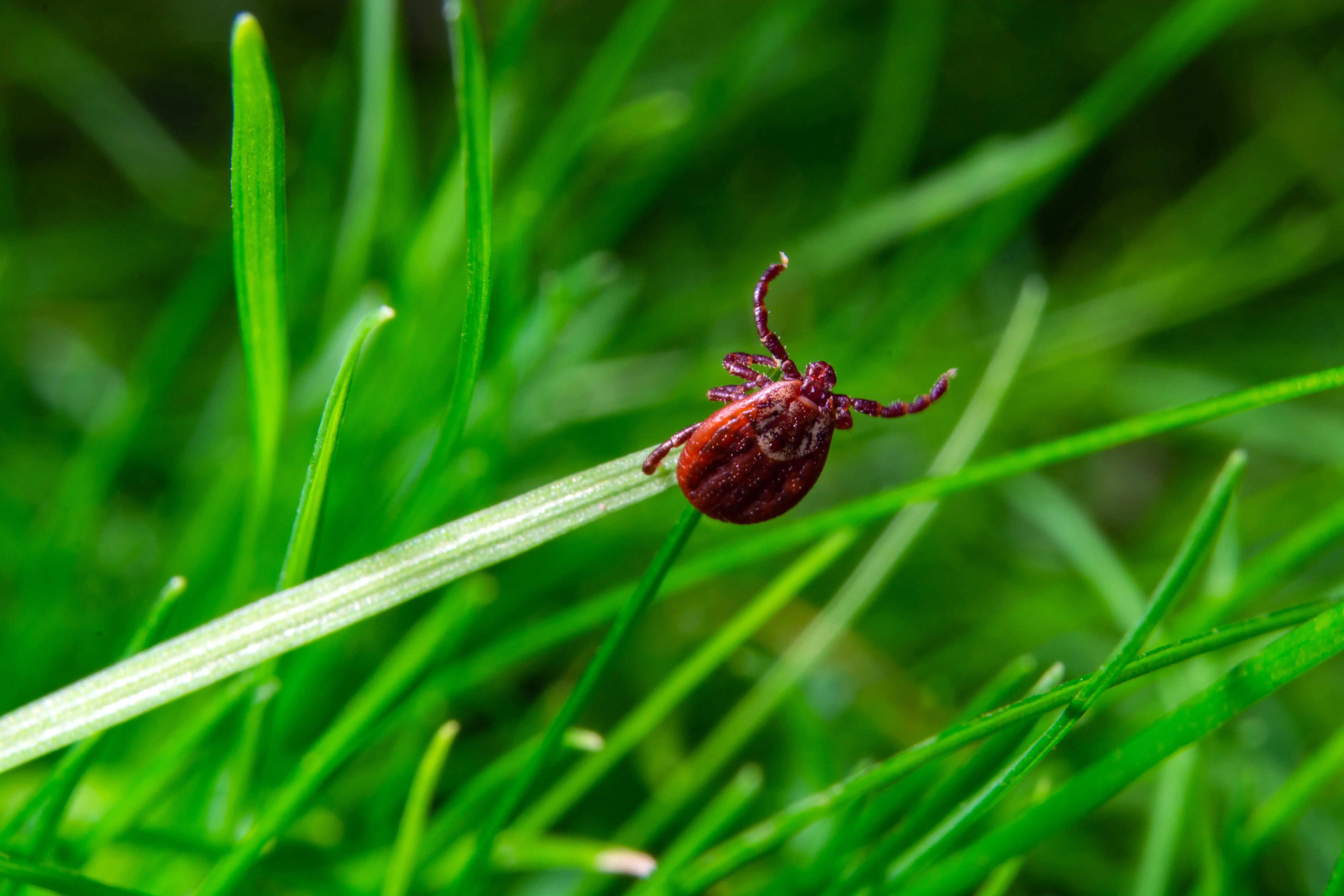
Tick populations are growing, but Sawyer provides powerful solutions to protect against ticks. Learn about tick populations, how to best prevent ticks, and proper tick removal below.
Ticks are increasing in numbers because of a warmer climate and residential housing developments into wooded areas which resets the natural order.
Warmer Climate: Ticks are generally active when temperatures are above freezing (32°F or 0°C). Peak season is spring through fall, though in warmer regions they may be active all year. Warmer winter seasons mean ticks are breeding sooner and are active for longer.
Residential Housing Developments: Mice, chipmunks, squirrels and other such rodents are often the starting point for a tick's journey through life. As residential housing developments move into wooded habitats, we chase away their natural predators such as foxes and birds of prey like hawks and eagles. Thus, rodent populations increase, and so do the ticks. Ticks later find their way to larger mammals such as deer and you.
Suggestions to decrease tick numbers around you:
- Keep your lawn mowed to reduce tall grass where ticks like to hide.
- If you like to watch chipmunks and squirrels, put your feeder further away from the house so that they don't bring ticks nearby.
- Place some cotton balls treated with Permethrin discreetly around your yard. Rodents will take the nice soft cotton balls back to their nests, and the permethrin will kill some of the ticks.
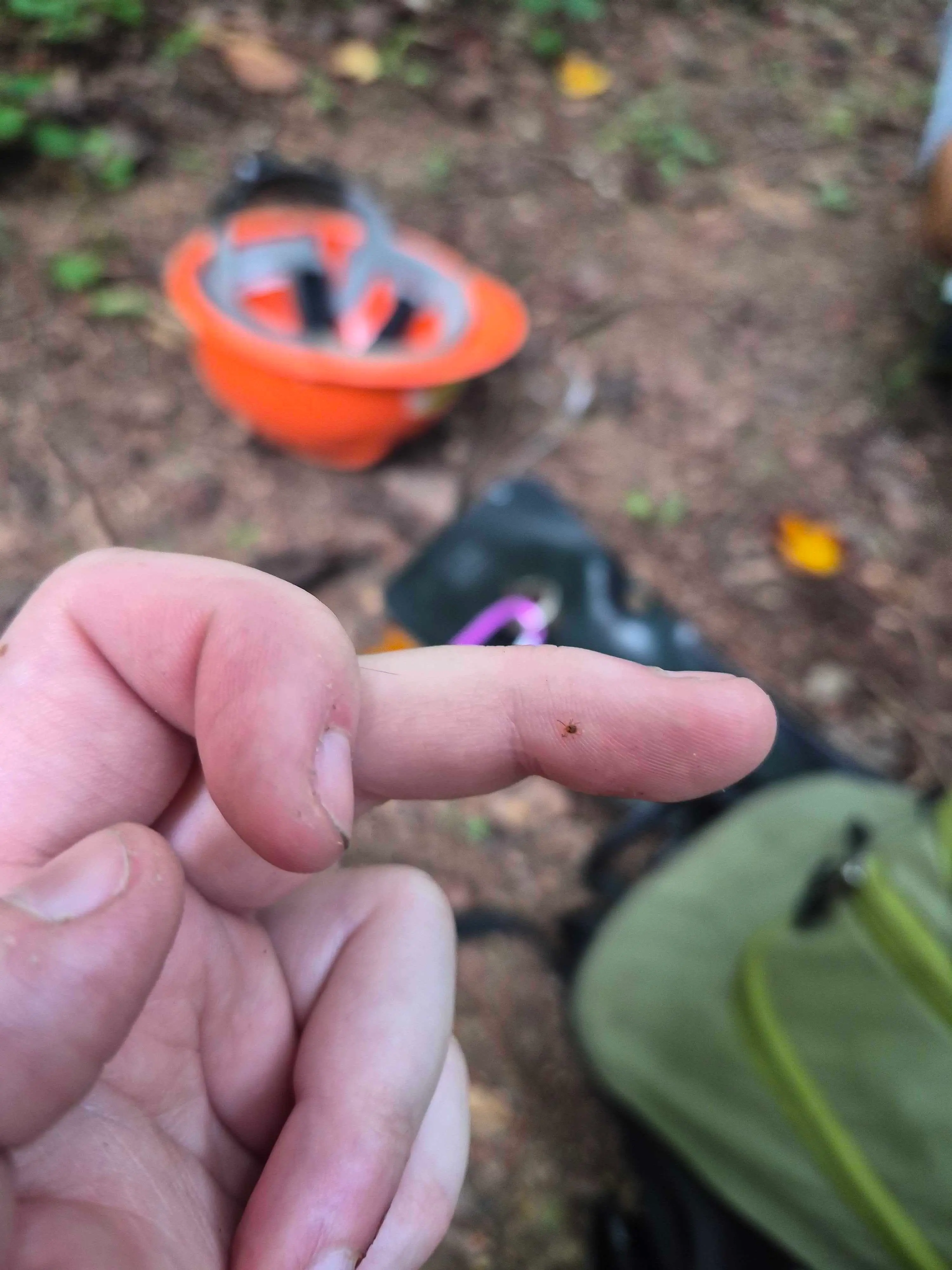
Ticks are very slow-feeding creatures, it takes over 24 hours for most tick-borne diseases to be transmitted, like Lyme disease. Less common tick-borne diseases, like Powassan, can spread much quicker. There is research that indicates Rocky Mountain Spotted Fever can be transmitted in a few hours as well. While usually rare, new tick-borne diseases and infections, like Bourbon Virus, are still being identified and researched.
The first thing to know is that you don't have to panic, there is action you can take to avoid tick bites.
What You Wear Matters- Tucking your pants into your socks and wearing light colors makes ticks easier to spot before they embed.
Treat Clothes and Gear- Permethrin-treated clothing and gear is by far your greatest line of defense against ticks. A study done at the University of Rhode Island found that you are 73.6 times less likely to get a tick bite if you treat just your shoes and socks with Permethrin.
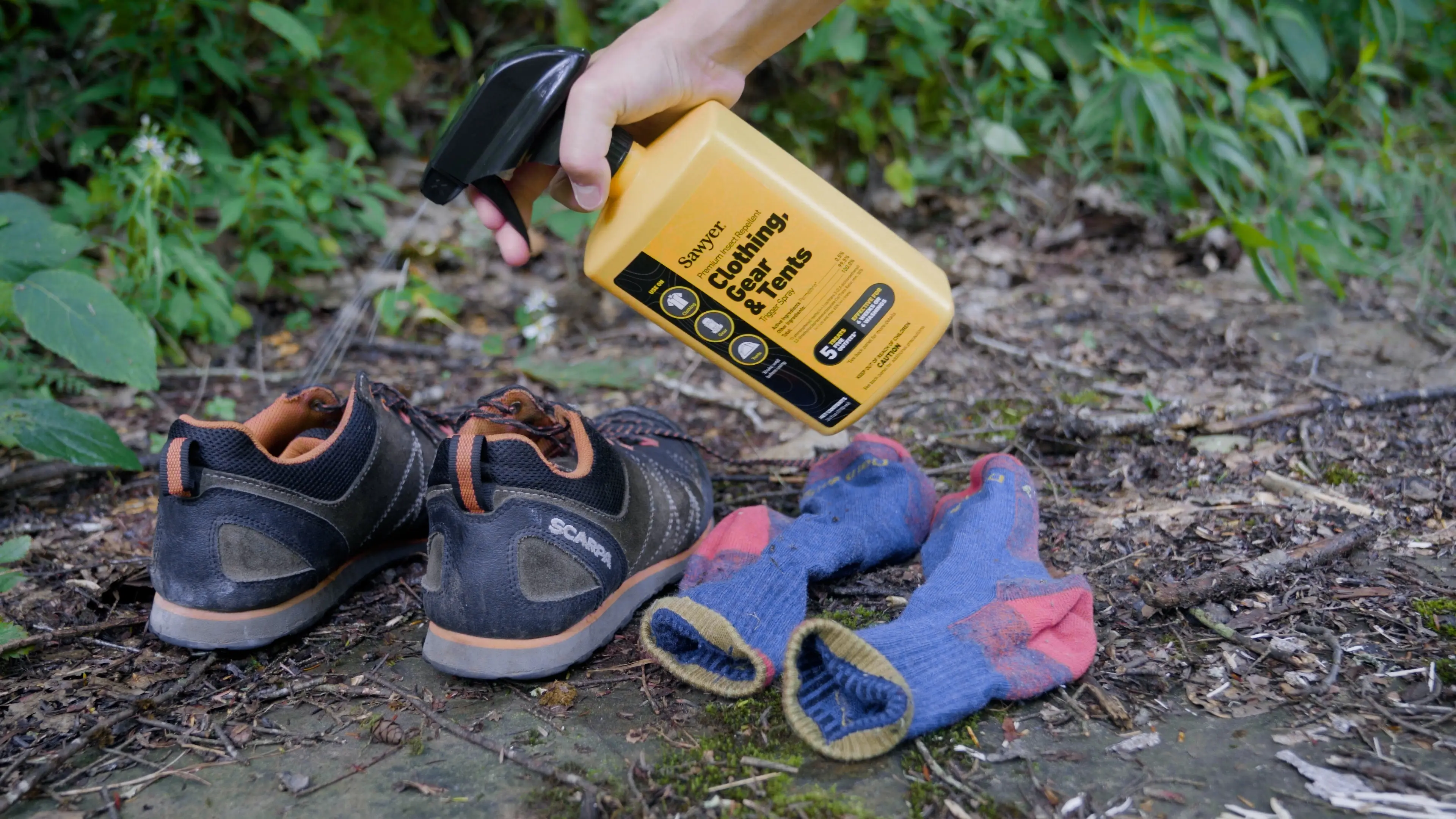
A tick always crawls upward searching for a spot to embed, but once it crosses about an inch of Permethrin-treated fabric, it will start the dying process and never embed. Because ticks breathe slowly- up to 15 minutes between breaths- it may take up to five hours before they actually die, but they will not embed.
Additional Tips to Repel Ticks with Permethrin:
- If you want to enjoy a picnic sitting down in a suspected tick area, try sitting on a permethrin treated picnic blanket or bed netting. If you are hiking and worried about weight, bed netting weighs close to nothing.
- For hunters, place your harvest on a permethrin-treated canvas or blanket. As the animal cools the ticks will fall off and land on the treated canvas or blanket. The ticks will then die within five hours and you won't be bringing home live ticks.
- When dogs explore tall grass and wooded areas, ticks can easily grab their hair and transmit diseases. Permethrin bonds to dog hair, to kill ticks before they embed and prevent ticks from hitch hiking into your house. Permethrin is safe for dogs, but when wet Permethrin is toxic to cats. Once fully dried, it is completely safe to use or wear Sawyer permethrin treated clothing and gear around cats.
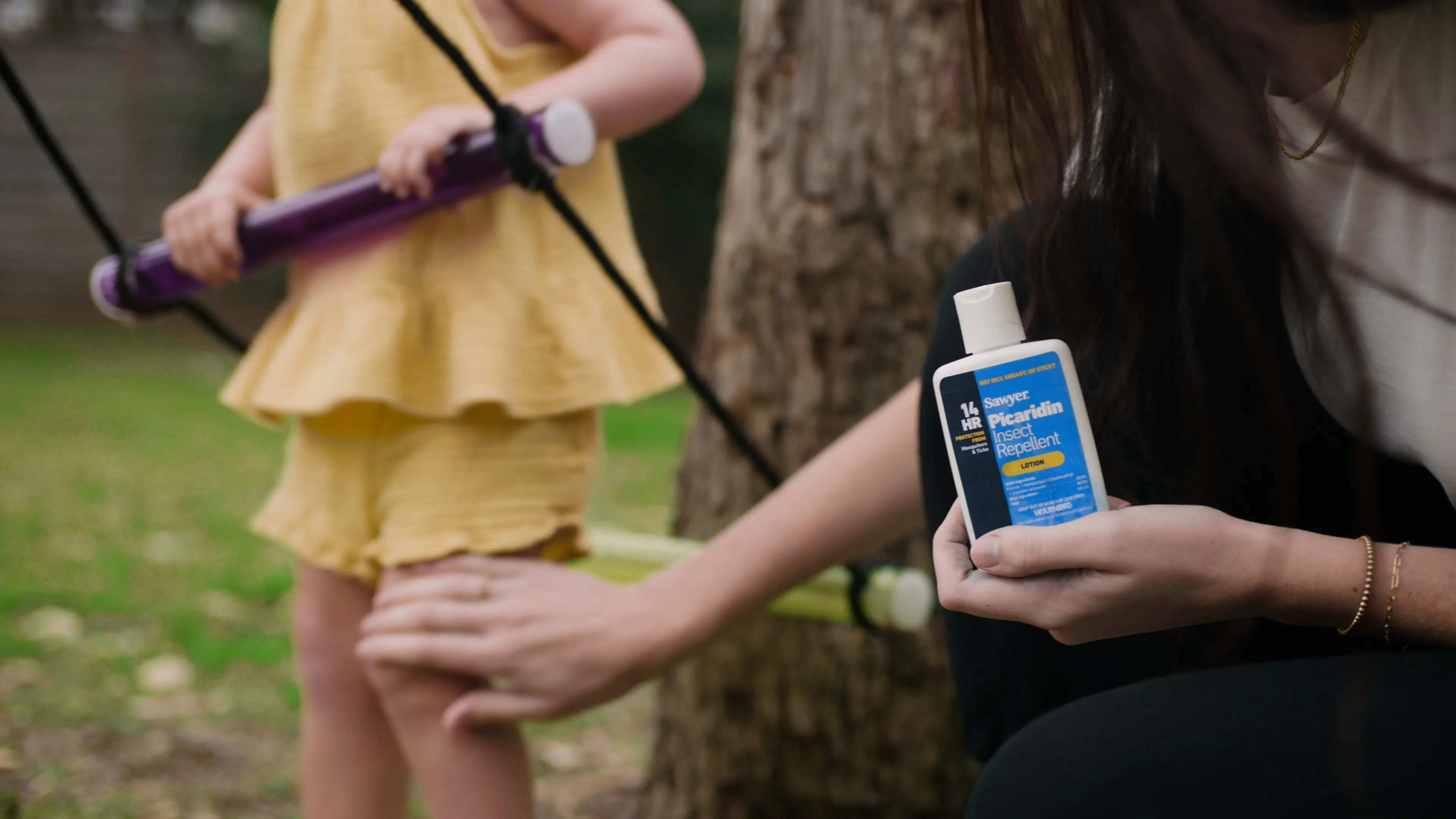
Topical Repellents- When at risk for tick bites, always use a topical repellent for exposed skin. We recommend Sawyer 20% Picaridin spray or lotion. While Permethrin on clothes will repel and kill the ticks, Topical repellents will only repel ticks. So, cover all exposed skin.
Wash Ticks Away- If you are nervous that ticks may be hiding on you or your clothes, take a shower soon after being outdoors to wash away ticks before they attach. You can also throw dry clothes in a hot dryer for 15 minutes, to kill hidden ticks. Make sure clothing fabric is compatible with a hot dryer.
Daily tick check- If you are visiting areas that may have ticks, do a tick check at least once a day.
Where ticks like to hide- Ticks climb upward looking for soft skin to embed. They can embed anywhere, but like to hide. Pay special attention to the areas between toes, behind the knees, groin, waistband area, belly button, and under the arms. If ticks can’t find these spots, they usually end up by your head. So also check the hairline, scalp, and behind the ears. The same applies to pets.
Disclaimer: The content in this blog is intended for informational purposes only and should not be considered medical advice. Sawyer Products and its representatives are not healthcare professionals and cannot diagnose or treat medical conditions. Always seek guidance from your physician or other qualified medical provider regarding any symptoms, medical concerns, or treatment decisions related to tick bites or tick-borne illnesses.
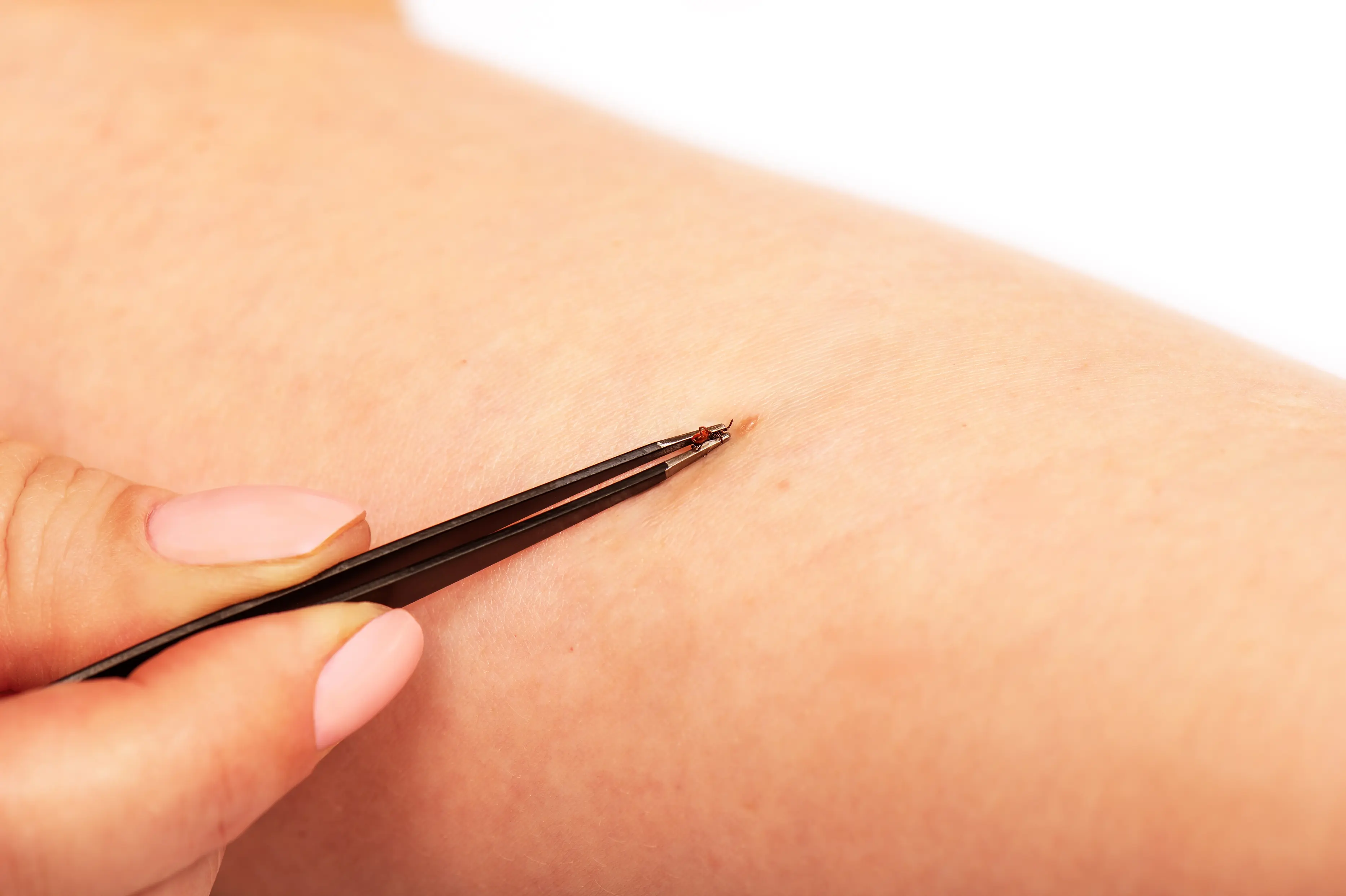
Step 1- Using the tweezers, grasp the tick as close to the skin as possible and slowly pull it up. You don't need to do this quickly, keep steady, with even pressure on the tweezers. You don't want to pop the tick off leaving the mouthparts embedded.
Step 2- Then clean the area with soap and water and use rubbing alcohol if available.
What NOT to do- The one thing you don't want to do is encourage the tick to leave on its own, such as smothering it in Vaseline or applying heat like a cigarette butt.
The tick hangs onto the skin by its mouthparts, which have small barbs to keep it from falling off. To loosen those barbs a tick will spit out everything it has to lubricate them and thus giving you as much bacteria as it has. You certainly want to avoid that and by slowly pulling the tick off, you minimize your exposure.
After safely removing the tick, flush it down the toilet or save it for testing. To save a tick, place it in a small, sealed bag/ container or put it in rubbing alcohol. Saving the tick can help your doctor identify tick-borne diseases that may have spread.
Seek medical attention if you develop symptoms such as fatigue, fever, or a reddened spot in the area where you were bitten. If treated early, the consequences are usually minimal. If left untreated, there can be long term issues.
Remember to check yourself, pets, and children early and often.

Tick populations are growing, but Sawyer provides powerful solutions to protect against ticks. Learn about tick populations, how to best prevent ticks, and proper tick removal below.
Ticks are increasing in numbers because of a warmer climate and residential housing developments into wooded areas which resets the natural order.
Warmer Climate: Ticks are generally active when temperatures are above freezing (32°F or 0°C). Peak season is spring through fall, though in warmer regions they may be active all year. Warmer winter seasons mean ticks are breeding sooner and are active for longer.
Residential Housing Developments: Mice, chipmunks, squirrels and other such rodents are often the starting point for a tick's journey through life. As residential housing developments move into wooded habitats, we chase away their natural predators such as foxes and birds of prey like hawks and eagles. Thus, rodent populations increase, and so do the ticks. Ticks later find their way to larger mammals such as deer and you.
Suggestions to decrease tick numbers around you:
- Keep your lawn mowed to reduce tall grass where ticks like to hide.
- If you like to watch chipmunks and squirrels, put your feeder further away from the house so that they don't bring ticks nearby.
- Place some cotton balls treated with Permethrin discreetly around your yard. Rodents will take the nice soft cotton balls back to their nests, and the permethrin will kill some of the ticks.
Ticks are very slow-feeding creatures, it takes over 24 hours for most tick-borne diseases to be transmitted, like Lyme disease. Less common tick-borne diseases, like Powassan, can spread much quicker. There is research that indicates Rocky Mountain Spotted Fever can be transmitted in a few hours as well. While usually rare, new tick-borne diseases and infections, like Bourbon Virus, are still being identified and researched.
The first thing to know is that you don't have to panic, there is action you can take to avoid tick bites.
What You Wear Matters- Tucking your pants into your socks and wearing light colors makes ticks easier to spot before they embed.
Treat Clothes and Gear- Permethrin-treated clothing and gear is by far your greatest line of defense against ticks. A study done at the University of Rhode Island found that you are 73.6 times less likely to get a tick bite if you treat just your shoes and socks with Permethrin.
A tick always crawls upward searching for a spot to embed, but once it crosses about an inch of Permethrin-treated fabric, it will start the dying process and never embed. Because ticks breathe slowly- up to 15 minutes between breaths- it may take up to five hours before they actually die, but they will not embed.
Additional Tips to Repel Ticks with Permethrin:
- If you want to enjoy a picnic sitting down in a suspected tick area, try sitting on a permethrin treated picnic blanket or bed netting. If you are hiking and worried about weight, bed netting weighs close to nothing.
- For hunters, place your harvest on a permethrin-treated canvas or blanket. As the animal cools the ticks will fall off and land on the treated canvas or blanket. The ticks will then die within five hours and you won't be bringing home live ticks.
- When dogs explore tall grass and wooded areas, ticks can easily grab their hair and transmit diseases. Permethrin bonds to dog hair, to kill ticks before they embed and prevent ticks from hitch hiking into your house. Permethrin is safe for dogs, but when wet Permethrin is toxic to cats. Once fully dried, it is completely safe to use or wear Sawyer permethrin treated clothing and gear around cats.
Topical Repellents- When at risk for tick bites, always use a topical repellent for exposed skin. We recommend Sawyer 20% Picaridin spray or lotion. While Permethrin on clothes will repel and kill the ticks, Topical repellents will only repel ticks. So, cover all exposed skin.
Wash Ticks Away- If you are nervous that ticks may be hiding on you or your clothes, take a shower soon after being outdoors to wash away ticks before they attach. You can also throw dry clothes in a hot dryer for 15 minutes, to kill hidden ticks. Make sure clothing fabric is compatible with a hot dryer.
Daily tick check- If you are visiting areas that may have ticks, do a tick check at least once a day.
Where ticks like to hide- Ticks climb upward looking for soft skin to embed. They can embed anywhere, but like to hide. Pay special attention to the areas between toes, behind the knees, groin, waistband area, belly button, and under the arms. If ticks can’t find these spots, they usually end up by your head. So also check the hairline, scalp, and behind the ears. The same applies to pets.
Disclaimer: The content in this blog is intended for informational purposes only and should not be considered medical advice. Sawyer Products and its representatives are not healthcare professionals and cannot diagnose or treat medical conditions. Always seek guidance from your physician or other qualified medical provider regarding any symptoms, medical concerns, or treatment decisions related to tick bites or tick-borne illnesses.
Step 1- Using the tweezers, grasp the tick as close to the skin as possible and slowly pull it up. You don't need to do this quickly, keep steady, with even pressure on the tweezers. You don't want to pop the tick off leaving the mouthparts embedded.
Step 2- Then clean the area with soap and water and use rubbing alcohol if available.
What NOT to do- The one thing you don't want to do is encourage the tick to leave on its own, such as smothering it in Vaseline or applying heat like a cigarette butt.
The tick hangs onto the skin by its mouthparts, which have small barbs to keep it from falling off. To loosen those barbs a tick will spit out everything it has to lubricate them and thus giving you as much bacteria as it has. You certainly want to avoid that and by slowly pulling the tick off, you minimize your exposure.
After safely removing the tick, flush it down the toilet or save it for testing. To save a tick, place it in a small, sealed bag/ container or put it in rubbing alcohol. Saving the tick can help your doctor identify tick-borne diseases that may have spread.
Seek medical attention if you develop symptoms such as fatigue, fever, or a reddened spot in the area where you were bitten. If treated early, the consequences are usually minimal. If left untreated, there can be long term issues.
Remember to check yourself, pets, and children early and often.
Tick populations are growing, but Sawyer provides powerful solutions to protect against ticks. Learn about tick populations, how to best prevent ticks, and proper tick removal below.
Ticks are increasing in numbers because of a warmer climate and residential housing developments into wooded areas which resets the natural order.
Warmer Climate: Ticks are generally active when temperatures are above freezing (32°F or 0°C). Peak season is spring through fall, though in warmer regions they may be active all year. Warmer winter seasons mean ticks are breeding sooner and are active for longer.
Residential Housing Developments: Mice, chipmunks, squirrels and other such rodents are often the starting point for a tick's journey through life. As residential housing developments move into wooded habitats, we chase away their natural predators such as foxes and birds of prey like hawks and eagles. Thus, rodent populations increase, and so do the ticks. Ticks later find their way to larger mammals such as deer and you.
Suggestions to decrease tick numbers around you:
- Keep your lawn mowed to reduce tall grass where ticks like to hide.
- If you like to watch chipmunks and squirrels, put your feeder further away from the house so that they don't bring ticks nearby.
- Place some cotton balls treated with Permethrin discreetly around your yard. Rodents will take the nice soft cotton balls back to their nests, and the permethrin will kill some of the ticks.
Ticks are very slow-feeding creatures, it takes over 24 hours for most tick-borne diseases to be transmitted, like Lyme disease. Less common tick-borne diseases, like Powassan, can spread much quicker. There is research that indicates Rocky Mountain Spotted Fever can be transmitted in a few hours as well. While usually rare, new tick-borne diseases and infections, like Bourbon Virus, are still being identified and researched.
The first thing to know is that you don't have to panic, there is action you can take to avoid tick bites.
What You Wear Matters- Tucking your pants into your socks and wearing light colors makes ticks easier to spot before they embed.
Treat Clothes and Gear- Permethrin-treated clothing and gear is by far your greatest line of defense against ticks. A study done at the University of Rhode Island found that you are 73.6 times less likely to get a tick bite if you treat just your shoes and socks with Permethrin.
A tick always crawls upward searching for a spot to embed, but once it crosses about an inch of Permethrin-treated fabric, it will start the dying process and never embed. Because ticks breathe slowly- up to 15 minutes between breaths- it may take up to five hours before they actually die, but they will not embed.
Additional Tips to Repel Ticks with Permethrin:
- If you want to enjoy a picnic sitting down in a suspected tick area, try sitting on a permethrin treated picnic blanket or bed netting. If you are hiking and worried about weight, bed netting weighs close to nothing.
- For hunters, place your harvest on a permethrin-treated canvas or blanket. As the animal cools the ticks will fall off and land on the treated canvas or blanket. The ticks will then die within five hours and you won't be bringing home live ticks.
- When dogs explore tall grass and wooded areas, ticks can easily grab their hair and transmit diseases. Permethrin bonds to dog hair, to kill ticks before they embed and prevent ticks from hitch hiking into your house. Permethrin is safe for dogs, but when wet Permethrin is toxic to cats. Once fully dried, it is completely safe to use or wear Sawyer permethrin treated clothing and gear around cats.
Topical Repellents- When at risk for tick bites, always use a topical repellent for exposed skin. We recommend Sawyer 20% Picaridin spray or lotion. While Permethrin on clothes will repel and kill the ticks, Topical repellents will only repel ticks. So, cover all exposed skin.
Wash Ticks Away- If you are nervous that ticks may be hiding on you or your clothes, take a shower soon after being outdoors to wash away ticks before they attach. You can also throw dry clothes in a hot dryer for 15 minutes, to kill hidden ticks. Make sure clothing fabric is compatible with a hot dryer.
Daily tick check- If you are visiting areas that may have ticks, do a tick check at least once a day.
Where ticks like to hide- Ticks climb upward looking for soft skin to embed. They can embed anywhere, but like to hide. Pay special attention to the areas between toes, behind the knees, groin, waistband area, belly button, and under the arms. If ticks can’t find these spots, they usually end up by your head. So also check the hairline, scalp, and behind the ears. The same applies to pets.
Disclaimer: The content in this blog is intended for informational purposes only and should not be considered medical advice. Sawyer Products and its representatives are not healthcare professionals and cannot diagnose or treat medical conditions. Always seek guidance from your physician or other qualified medical provider regarding any symptoms, medical concerns, or treatment decisions related to tick bites or tick-borne illnesses.
Step 1- Using the tweezers, grasp the tick as close to the skin as possible and slowly pull it up. You don't need to do this quickly, keep steady, with even pressure on the tweezers. You don't want to pop the tick off leaving the mouthparts embedded.
Step 2- Then clean the area with soap and water and use rubbing alcohol if available.
What NOT to do- The one thing you don't want to do is encourage the tick to leave on its own, such as smothering it in Vaseline or applying heat like a cigarette butt.
The tick hangs onto the skin by its mouthparts, which have small barbs to keep it from falling off. To loosen those barbs a tick will spit out everything it has to lubricate them and thus giving you as much bacteria as it has. You certainly want to avoid that and by slowly pulling the tick off, you minimize your exposure.
After safely removing the tick, flush it down the toilet or save it for testing. To save a tick, place it in a small, sealed bag/ container or put it in rubbing alcohol. Saving the tick can help your doctor identify tick-borne diseases that may have spread.
Seek medical attention if you develop symptoms such as fatigue, fever, or a reddened spot in the area where you were bitten. If treated early, the consequences are usually minimal. If left untreated, there can be long term issues.
Remember to check yourself, pets, and children early and often.
Mais do que uma empresa de actividades ao ar livre.

