






International Header

UK Department of Entomology: The Lone Star Tick in Kentucky

A review of the Lone Start Tick and how to protect yourself against it.

UK Department of Entomology: The Lone Star Tick in Kentucky

Last updated:
March 10, 2025
|  5 min read

UK Department of Entomology: The Lone Star Tick in Kentucky

UK Department of Entomology: The Lone Star Tick in Kentucky

YouTube video highlight

A review of the Lone Start Tick and how to protect yourself against it.

Read more about the project

UK Department of Entomology: The Lone Star Tick in Kentucky

Nenhum item encontrado.

The Lone Star Tick in Kentucky

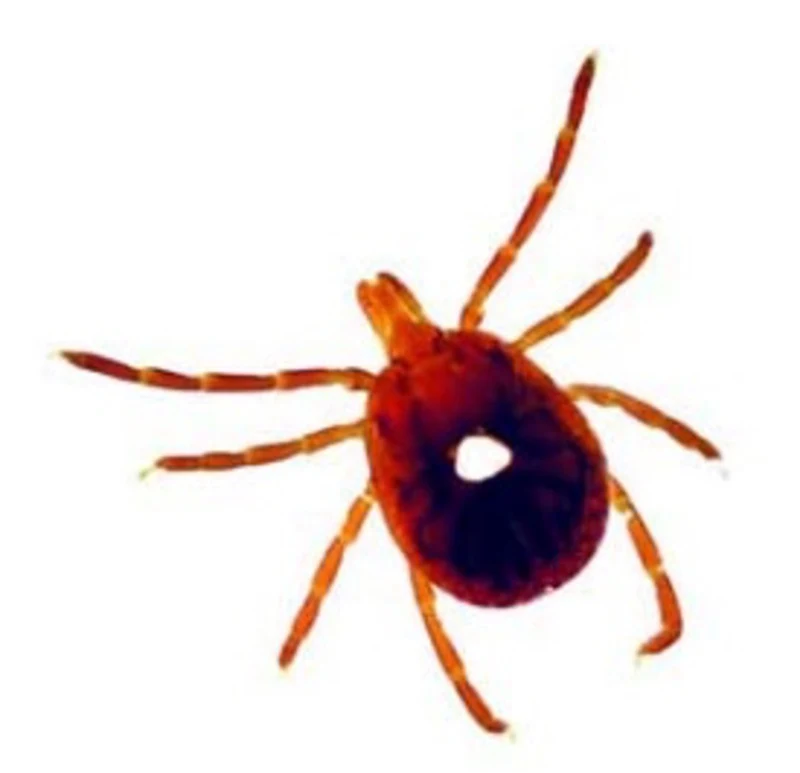
The lone star tick (Fig. 1) is an important nuisance pest across Kentucky and can be a vector of some diseases. Its most common hosts are wild mammals and ground-nesting birds but these aggressive ticks readily feed on humans and companion animals.

Lone star ticks are active from March through September (Fig 2). Each of its three active stages (larva, nymph, and adult) requires a blood meal.

Continue reading to learn more, written by Lee Townsend.

UK Department of Entomology: The Lone Star Tick in Kentucky

The Lone Star Tick in Kentucky

The lone star tick (Fig. 1) is an important nuisance pest across Kentucky and can be a vector of some diseases. Its most common hosts are wild mammals and ground-nesting birds but these aggressive ticks readily feed on humans and companion animals.

Lone star ticks are active from March through September (Fig 2). Each of its three active stages (larva, nymph, and adult) requires a blood meal.

Continue reading to learn more, written by Lee Townsend.

Miniatura da fotografia Autor do blogue
Professor
Lee Townsend
Lee Townsend is a profess of Emeritus at the University of Kentucky.
Menções nos meios de comunicação social

UK Department of Entomology: The Lone Star Tick in Kentucky

The Lone Star Tick in Kentucky

The lone star tick (Fig. 1) is an important nuisance pest across Kentucky and can be a vector of some diseases. Its most common hosts are wild mammals and ground-nesting birds but these aggressive ticks readily feed on humans and companion animals.

Lone star ticks are active from March through September (Fig 2). Each of its three active stages (larva, nymph, and adult) requires a blood meal.

Continue reading to learn more, written by Lee Townsend.

Miniatura da fotografia Autor do blogue
Professor
Lee Townsend
Lee Townsend is a profess of Emeritus at the University of Kentucky.
Menções nos meios de comunicação social
browse all articles
Aqui na Sawyer
Halfway Anywhere: Continental Divide Trail Gear Guide (2025 Survey)
Read More

Menções nos meios de comunicação social

Babies carried in treated wraps were about two-thirds, or 66 per cent, less likely to develop the disease.

Maeve Cullinan
Global Health Security Reporter

Menções nos meios de comunicação social

This particular formula is nongreasy, nonsticky, and lacks a strong odor, making it highly appealing for direct skin application.

Jill Di Donato
Escritor

Menções nos meios de comunicação social

The best filter, I took care to sleep with it on cold nights and back-flushed her in town.

Lauren “Mothra” Mullen
Hiker, Writer
<<  Previous Post
No previous post!
Check out our Directory
Next Post  >>
No next post!
Check out our Directory