







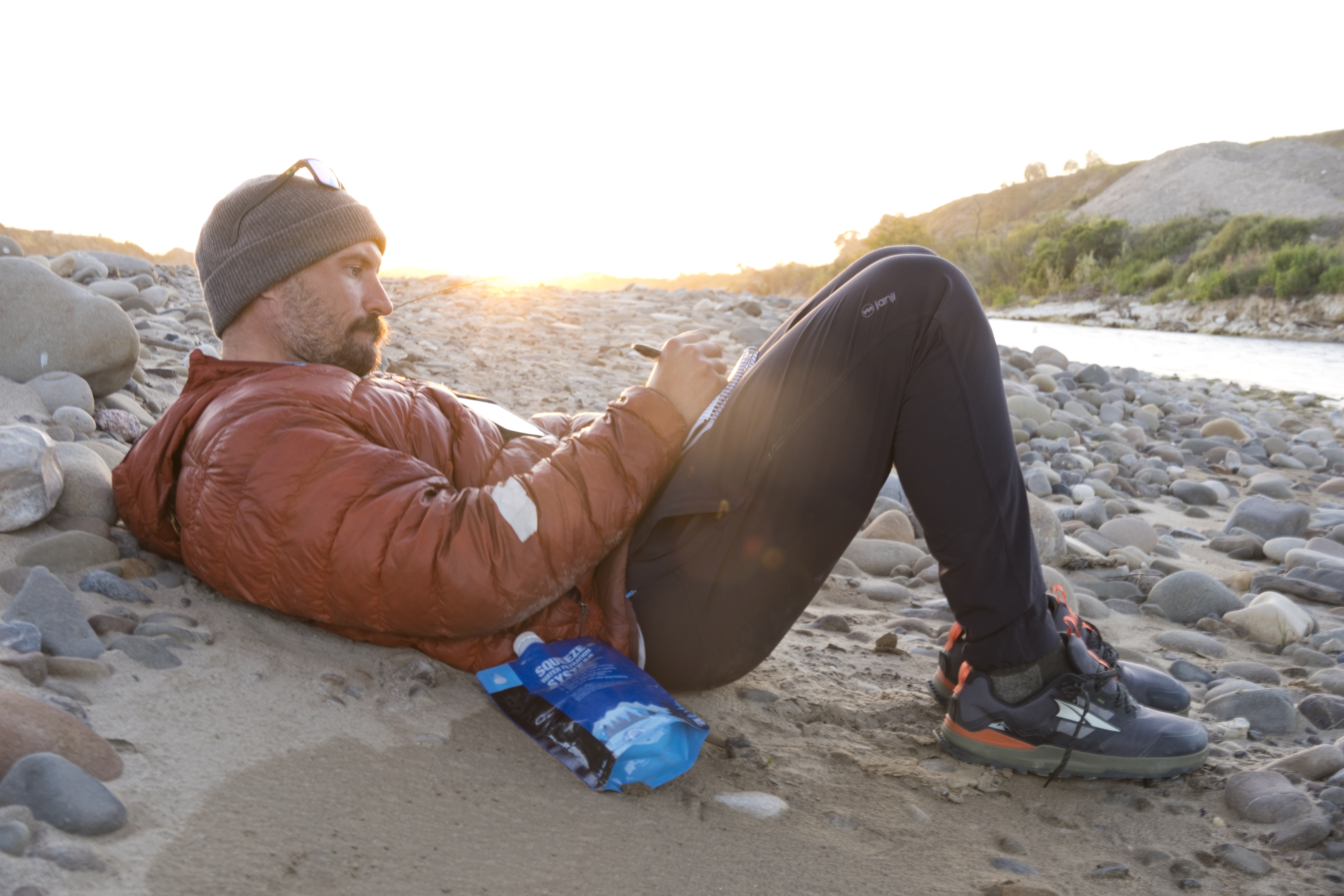

Siga-nos no Instagram
Mais do que uma empresa de actividades ao ar livre.

@sawyerproducts
Follow us on Instagram









From sprays and lotions to stickers and bracelets, parents can prevent itchy bug bites for kids of all ages.
Watch videoWhen school is out for the summer, it usually means mosquitoes and other pesky bugs are, too. Mosquitoes and other biting insects are most active when the weather warms up, and being prepared with a safe and effective repellent can help protect your kids from itchy bug bites all summer long.
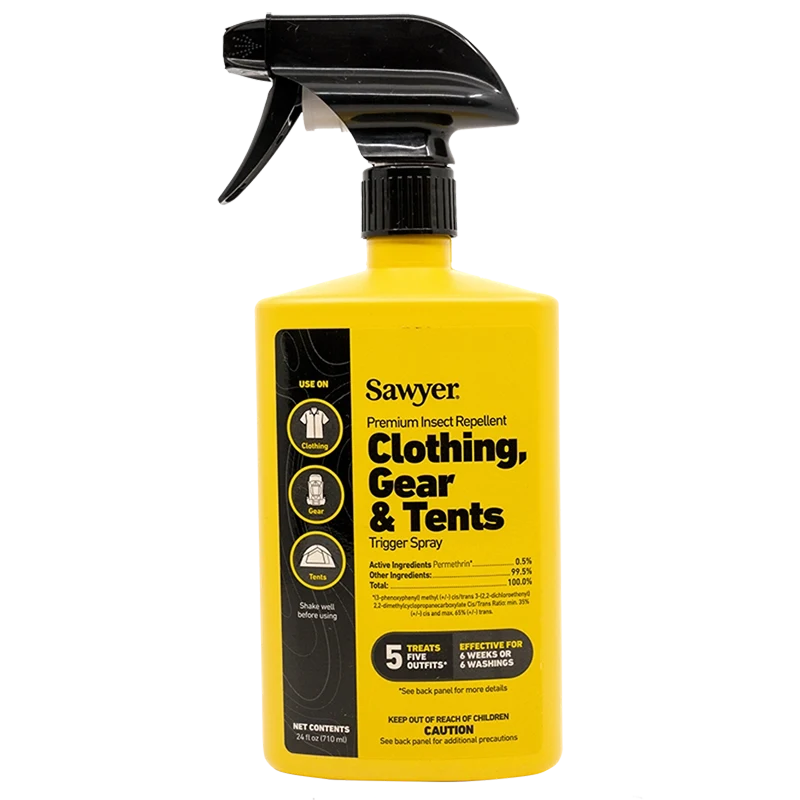
When choosing a bug spray for your kids, the Centers for Disease Control and Prevention (CDC) recommends choosing one that is registered with the US Environmental Protection Agency (EPA) because its active ingredients (like DEET, picaridin, or oil of lemon eucalyptus) have been evaluated and approved for human safety and effectiveness.1 If you prefer a more natural repellent, you may want to consider one that contains citronella or soybean oil, which are exempt from EPA registration but can repel mosquitoes for short periods of time. You should also keep in mind how often you’ll have to reapply the repellent, how effective it is, and if it has a distinct scent or feel.
To select the best bug sprays for kids, we consulted with two board-certified dermatologists, an entomologist, and a college professor who specializes in molecular biology and mosquito physiology. We then researched the top bug repellents on the market and had our editors test them at home during their normal outdoor activities.
Continue reading for the complete guide by Laura Lu, MS here.


When school is out for the summer, it usually means mosquitoes and other pesky bugs are, too. Mosquitoes and other biting insects are most active when the weather warms up, and being prepared with a safe and effective repellent can help protect your kids from itchy bug bites all summer long.
When choosing a bug spray for your kids, the Centers for Disease Control and Prevention (CDC) recommends choosing one that is registered with the US Environmental Protection Agency (EPA) because its active ingredients (like DEET, picaridin, or oil of lemon eucalyptus) have been evaluated and approved for human safety and effectiveness.1 If you prefer a more natural repellent, you may want to consider one that contains citronella or soybean oil, which are exempt from EPA registration but can repel mosquitoes for short periods of time. You should also keep in mind how often you’ll have to reapply the repellent, how effective it is, and if it has a distinct scent or feel.
To select the best bug sprays for kids, we consulted with two board-certified dermatologists, an entomologist, and a college professor who specializes in molecular biology and mosquito physiology. We then researched the top bug repellents on the market and had our editors test them at home during their normal outdoor activities.
Continue reading for the complete guide by Laura Lu, MS here.
When school is out for the summer, it usually means mosquitoes and other pesky bugs are, too. Mosquitoes and other biting insects are most active when the weather warms up, and being prepared with a safe and effective repellent can help protect your kids from itchy bug bites all summer long.
When choosing a bug spray for your kids, the Centers for Disease Control and Prevention (CDC) recommends choosing one that is registered with the US Environmental Protection Agency (EPA) because its active ingredients (like DEET, picaridin, or oil of lemon eucalyptus) have been evaluated and approved for human safety and effectiveness.1 If you prefer a more natural repellent, you may want to consider one that contains citronella or soybean oil, which are exempt from EPA registration but can repel mosquitoes for short periods of time. You should also keep in mind how often you’ll have to reapply the repellent, how effective it is, and if it has a distinct scent or feel.
To select the best bug sprays for kids, we consulted with two board-certified dermatologists, an entomologist, and a college professor who specializes in molecular biology and mosquito physiology. We then researched the top bug repellents on the market and had our editors test them at home during their normal outdoor activities.
Continue reading for the complete guide by Laura Lu, MS here.
Mais do que uma empresa de actividades ao ar livre.

